Central City residents—aka Black folks—now have to face the reality that we live in a food desert, in addition to being a hardware, pharmacy, and national restaurant chain wilderness.
Aldi’s is closing yet another central city grocery, following the closure of several Pick N Save stores in the last year. And the only Black-owned grocery—Sherman Park on Fond du Lac and Sherman Drive—is hanging on by its rib tips.
It all culminates with the Black community being designated a barren island, with local politicians responding to this tragedy with symbolic complaints and political rhetoric.
You can blame the expected closing of Sherman Park Grocery on the tariffs, last Fall’s unprecedented flooding, disruption of SNAP (food stamp) benefits, and Santa Claus losing his map of central city footprints.
(Someone told me the overweight, fat White guy in red was ‘ski-jacked before he could drop off vegetables for the last holiday meal of the year.)
It’s reached the sad point where the owners of Sherman Park are requesting financial assistance from the community, organizations, and local government, which is as likely as President Donald Trump having an affair with Kamala Harris.
The closure of grocery stores is but the tip of the divestment iceberg. Brick-and-mortar national chains, from hardware to pharmacies, are walking away from the most needy MKE residents.
And there are not enough Black businesses to fill the void.
If you’re old enough, you may recall the Black-owned Lena’s Grocery chain, a rival of Pick N Save, Jewel Osco, and Sendik. Lena’s died from internal incompetence.
Most recently, we saw several Walgreens and CVS stores close.
And you can’t find a major hardware store within the target zone.
New restaurants, like Chick-fil-A, Red Lobster, and Olive Garden, have opted for the suburbs, avoiding the central city, because we don’t like their overpriced meals.
Advertising executives can focus their television ad dollars on suburban stations, realizing we will take a bus to buy a hammer, a biscuit, or a shot of MD 20/20 in Whitefish Bay.
As Michele Bryant said on her show (yeah, I tune in on occasion) Monday, “We will go to them…”
Check that…You can still get a shot of yak on every corner, but for watermelon, potatoes, and tomatoes, you gotta take a bus,train, or camel.
Taverns are the most (and only) ‘successful’ businesses in the Black community, second only to churches. And yes, Blackchurches are businesses. They feed themselves and, to a lesser degree, their communities.
Food and other goods and services are outof walking distance, creating a desert andleaving an open grave (no pun intended) forthe new plantation cemetery.
Some of us are old enough to rememberCountry western star Tennessee Ernie Ford, who penned a classic song called ‘16 Tons.’It was a historic commentary on how sharecroppers could never get above their debtowed to store owners.
To paraphrase, ’16 tons (cotton) what doyou get, another day older and deeper indebt, St. Peter don’t you call me cause I can’t go, I owe my soul to the company store…’
That pretty much sums up our experience. They are squeezing our community. Wehave become a desolate island, not just for water and fresh vegetables, but also for large-scale (cheaper) goods and services — essentials.
My solution…it’s not new. I wrote a column four decades ago in which I suggested that a community/Black bank establish investment funds and oversight.
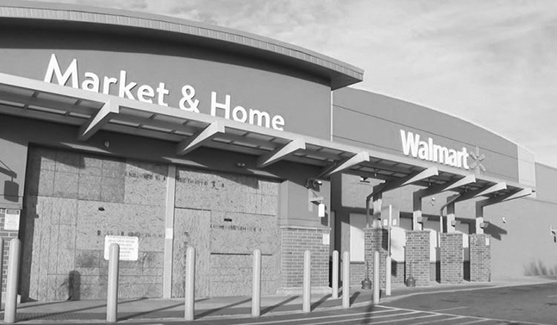
A community fund, totally controlled byus, to serve us. We can create a new Lena’s, Lowes, Walmart, and Walgreens.
As the late Marvin Hannah used to say, we can do it if we wanna, but we gotta wanna.
At this point, we have no choice but towanna.
Hotep.







Leave a Reply