• Skip to primary navigation
  • Skip to main content
  • Skip to primary sidebar
  • About
  • Contact
  • Advertise

Milwaukee Community Journal

  • News
    • Local News
    • National
    • World
    • Political
  • Men Building Men
  • Lifestyle
    • Arts & Entertainment
    • Fashion
    • Culture
    • Religion
  • Economy
    • Small Business
    • Money
    • Entrepreneurship
  • Health
    • Family
    • Relationships
  • Education
  • Jobs
    • Housing
  • Scholarship Fund
You are here: Home / Archives for Black America

Black America

OP-ED: No More Broken Promises to Black America

July 30, 2026 By MKE Community Journal Leave a Comment

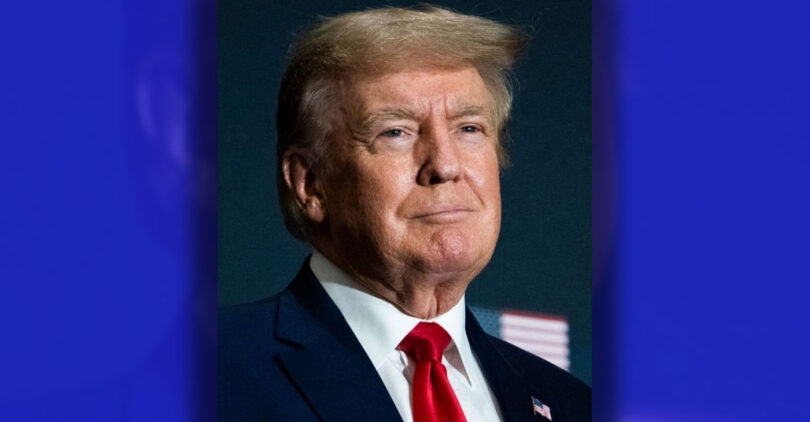
President Trump, the Republicans, and the Supreme Court are rolling back all the gains made by our people over the last 162 years. Quality education is being dismantled. Racist gerrymandering disguised as equal opportunity is eliminating Black congressional districts. Civil Rights are being stripped of their ability to protect Blacks. A massive tax burden is being shifted from the rich to the poor.


By Reverend Dr. Boise Kimber | BlackPressUSA

The AI Boom and the promise of public ownership: Artificial Intelligence (AI) is quickly becoming one of the most powerful forces in the global economy, with the potential to generate historic levels of wealth. As technology companies and governments position themselves to benefit from this growth, our communities must share in those gains in ways that are real, substantial, and protected from political reversal

At the same time, many communities are pushing back to ensure that new AI infrastructure does not strain local resources, increase costs, or pollute their neighborhoods. Sovereign Wealth Funds and Equity Stakes: the latest promise being offered to the public is the creation of sovereign wealth funds or similar ownership models that would give people a stake in AI-generated wealth.

Several proposals point in this direction: • President Donald Trump has explored strategies for the U.S. government to take equity stakes in leading AI firms. • Senator Bernie Sanders has introduced legislation aimed at giving the public a share in this new economic value. • OpenAI has proposed a voluntary “Public Wealth Fund” that would give American citizens a direct stake in the gains created by artificial intelligence. The question is whether these proposals represent real economic inclusion—or another version of a familiar promise that never fully reaches Black America because of broken promises such as the 40 Acres and a Mule broken promises from government and business are not new to Black Americans.

The history of slavery, emancipation, and Reconstruction shows a repeated pattern: Black labor created wealth, but Black people were denied equal compensation, legal protection, and the resources needed to build generational wealth. Near the end of the Civil War, Union General William Tecumseh Sherman and Secretary of War Edwin Stanton met with 20 Black leaders in Savannah, Georgia. Those leaders made clear that true freedom and self-determination required land ownership. Sherman’s Special Field Order No. 15 set aside 400,000 acres of confiscated Confederate land and granted enslaved families plots of up to 40 acres.

After Lincoln’s assassination, however, President Andrew Johnson reversed course, pardoned former Confederates, and returned the land to its previous owners. Unpaid labor and unequal compensation from 1619 to 1865 were allocated to former enslaved Africans and their descendants who had labored from sunup to sundown without wages, building wealth for enslavers and for the governments and institutions that supported the enslavement economy.

During much of the Civil War, the Militia Act of 1862 allowed Black soldiers to be paid less than white soldiers. Black soldiers received $10 per month, with $3 deducted for clothing, leaving only $7 in take-home pay. White soldiers received $13 per month with no clothing deduction.

Congress did not correct this inequity for two years. The reality was that “Emancipation” without economic justice and equality was the order of that period of American history, and in April 1862, eight months before President Abraham Lincoln issued the Emancipation Proclamation, Congress passed the District of Columbia Emancipation Act. The law freed roughly 3,000 Black people, but its benefits were unequal: enslavers received compensation of up to $300 per enslaved person, while the people who had labored without pay received nothing unless they agreed to relocate outside the United States, where they would get $100.

The 13th Amendment, ratified in 1865, abolished slavery in the United States but preserved a loophole by allowing involuntary servitude as punishment for a crime. Former slaveholding states exploited that exception through Black Codes, convict leasing, and Jim Crow laws, using the criminal legal system to restrict Black freedom and to preserve economic control and wealth by former enslavement masters.

These broken promises symbolize the federal government’s failure to provide foundational reparations and economic justice to Black Americans. They represent the systemic hurdles that descendants of enslaved people have navigated as they struggle to build generational wealth in the United States. Today we are facing another threat to Black American economic progress.

President Trump, the Republicans, and the Supreme Court are rolling back all the gains made by our people over the last 162 years. Quality education is being dismantled. Racist gerrymandering disguised as equal opportunity is eliminating Black congressional districts. Civil Rights are being stripped of their ability to protect Blacks. A massive tax burden is being shifted from the rich to the poor.

Given this record, it is reasonable to question whether the federal government and its technology partners will truly protect Black interests in the next wave of AI-driven wealth.  Senator Bernie Sanders is right to argue that artificial intelligence is built on “the collective knowledge of humanity and the creative work of tens of millions of people.” He also correctly warns that the public should have a say in how AI develops so that its benefits serve humanity, not only the wealthiest people on the planet.

However, his current legislative proposal falls short of providing true equality or meaningful economic opportunity for everyday Americans. Sanders estimates that the average payment would be $1,000 per person before taxes. Measured against the 1862 purchasing power offered to relocating slaves, the only time in American history when the DC Blacks were offered reparations, that amount would equal only about $33. Meanwhile, the data, knowledge, and creative work of ordinary people are helping create new billionaires and trillionaires.

This small payment does not address the deeper question: who should own and benefit from the wealth AI generates? No more empty promises to Black American communities should be expected.  We will not accept another symbolic promise of “40 acres and a mule” from the federal government or the technology industry.

If AI is going to generate historic levels of wealth, then the benefits must be real, substantial, and protected from political reversal. That means any new public-wealth proposal must include: • Substantial investment in Black communities. • Clear guarantees that promised benefits cannot be easily reversed by a future administration. • Accountability from both government leaders and technology companies.

As President of the 7-million-member National Black Convention, USA, I intend to help ensure that new achievable and financially sustainable promises are not only made but kept.


Filed Under: National News Tagged With: 40-acres-and-a-mule, Artificial Intelligence, Bernie Sanders, Black America, Black communities, broken-promises, civil rights, Donald Trump, Economic Justice, Emancipation Proclamation, Featured, national-black-convention, Politics, public-ownership, reparations, Supreme Court, systemic racism, technology, wealth-generation

Inside the Mind of Russell Vought: Trump’s Enforcer

October 29, 2025 By MKE Community Journal Leave a Comment

Secretary of Homeland Security Kristi Noem meets with Director of the Office of Management and Budget Russell Vought at the Eisenhower Executive Office Building in Washington, D.C., Sept. 18, 2025. (DHS photo by Tia Dufour) (Wikimedia Commons / Photo by DHSgov)

By Stacy M. Brown
Senior National Correspondent, Black Press of America

Russell Vought wakes each morning with the cold precision of a man who has learned to confuse faith with power. His pen is a weapon, and his calculations are not about progress or prosperity. They are about punishment. He has taken the language of government and turned it into a vocabulary of cruelty. Each budget cut is an act of vengeance. Each withheld dollar is a message to the poor, to the vulnerable, to the people who dare to believe that America still belongs to them. Long before his name became a headline, Vought said that federal workers should be “traumatically affected.” He said he wanted them to wake up, dreading their jobs because he saw public service as an enemy of his mission. That mission has now become law. Through his control of the Office of Management and Budget, Vought has used the machinery of government to dismantle everything that serves the public good.

In cities like New York, Baltimore, Boston, and San Francisco, billions of dollars in Army Corps of Engineers projects have been frozen or canceled. He called it efficiency. Others called it sabotage. The agency’s own records show that nearly all its employees were funded through resources that did not expire when the government shut down. Yet Vought ordered them to stop work, punishing communities that did not vote for his president. “The Democrat shutdown has drained the Army Corps of Engineers’ ability to manage billions of dollars in projects,” he wrote online. That was not true. The shutdown did not drain anything. It was a political hit job on Democratic-led cities, a financial assault dressed up as fiscal restraint. Representative Rosa DeLauro said that what Vought is doing is “illegally stealing taxpayer funding in a unilateral, partisan act.” Her statement is not hyperbole. Congressional investigators and federal courts have already found that Vought has tried to impound or cancel money that Congress legally appropriated. He has blocked research funding for disease prevention, canceled grants for public transit, and withheld small business aid meant to keep communities alive. His so-called “pocket rescissions” have defunded law enforcement programs and cut food assistance for families already hanging by a thread.

In Chicago, $2.1 billion in public transit funds were terminated. In New York, $18 billion for rail modernization vanished without warning. These were not economic decisions. They were political punishments. DeLauro said, “It seems each morning, Russ Vought wakes up determined to abuse his authority to the detriment of working-class families, middle-class families, and vulnerable Americans.” Her words describe a man who believes compassion is weakness and that cruelty is proof of strength. Inside Washington, his reach extends far beyond the budget office. Russell Vought is the silent architect of this government. He has fired or forced out more than 200,000 civil servants under the pretext of so-called reductions in force. A court was forced to step in to block his latest round of firings after evidence showed he was using the Trump shutdown as cover for an illegal purge of federal employees. Congressman Joe Neguse called him “the Grim Reaper.” It is a name that fits. For every program that dies under his orders, another piece of the American safety net disappears. These are not faceless numbers. They are people who tested drinking water for toxins, monitored public health during disease outbreaks, and ensured that disaster recovery funds reached those in need. Their dismissal is not the byproduct of bureaucracy. It is the plan. The fewer people protecting the public, the easier it becomes to destroy what remains of democracy.

Vought calls himself a Christian nationalist. He says America was meant to be a Christian nation. But the Christianity he invokes is not about mercy or justice. It is a creed of domination. When he ordered the cancellation of federal diversity training and removed references to systemic racism from government documents, he was not correcting waste. He was rewriting the story of this country. He was erasing the blood, the struggle, and the truth that built the modern American promise. For Black America, his policies are not abstract. They are a direct blow. His freezes and cancellations have wiped out funding for housing, education, and medical research. Over $400 billion in programs that once served as lifelines to low-income and minority communities are now gone. The cuts have dismantled the very protections that generations fought and died to achieve. This is not the government. It is punishment disguised as policy. Vought’s cruelty is not a side effect. It is the design. Even inside Trump’s inner circle, some quietly admit that it is Vought who holds the real power. He writes the orders, drafts the memos, and decides which programs live or die. What the president says in anger, Vought turns into law. What began as a movement to “shrink government” has become a crusade to starve it, to leave nothing but power in the hands of men who look and think like him.

He once said he wanted bureaucrats to wake up in pain. And that pain has spread far beyond the walls of Washington. It reaches into classrooms without textbooks, into homes without heat, and into clinics where the doors have closed for good. This is what happens when one man’s ideology becomes national policy. It is what happens when faith is twisted into a weapon. Russell Vought has taken the name of God and written it across a ledger of suffering. He has mistaken cruelty for conviction. But America has seen this kind of righteousness before. The men who built segregation, the men who burned crosses, and the men who called their hate holy all believed they were saving the nation. They were not. They were destroying it. History does not forget men like this. It writes their names in shame. As one congressional staffer said, “Russell Vought doesn’t just cut budgets. He cuts people out of democracy.” And that is the truest line ever written about him.

Filed Under: National News, Political Tagged With: abuse of authority, abuse of power, Administrative Procedure Act, Army Corps of Engineers, authoritarianism, Black America, Brooke Rollins, budget impoundment, Christian nationalism, Christian nationalist agenda, civil rights, civil servants, corruption, democracy erosion, disaster recovery, dismantling democracy, diversity training ban, eatured, Economic Inequality, economic retaliation, economic sabotage, education cuts, environmental protection, federal budget cuts, federal funding freeze, federal workforce reduction, fiscal policy, government accountability, government overreach, government shutdown, government transparency, housing cuts, inequality, Joe Neguse, medical research funding, moral decay, Office of Management and Budget, OMB, policy cruelty, political corruption, political punishment, political vengeance, poverty, public health, public service, public transit funding, Racial Justice, Rosa DeLauro, Russell Vought, Social Justice, social welfare programs, systemic racism, Trump Administration, Trump loyalists, water safety

Trust in Mainstream Media at a New Low, But the Black Press Stands as the Trusted Voice

October 7, 2025 By MKE Community Journal Leave a Comment

digital data

By Stacy M. Brown
Black Press USA Senior National Correspondent

Trust in America’s mainstream media has fallen to its lowest level on record. Gallup reports that only 28 percent of adults say they have a great deal or fair amount of confidence in newspapers, television, and radio to report the news fully, accurately, and fairly. That is down from 31 percent last year and 40 percent five years ago. Seven in ten adults now say they have little or no confidence at all. Republicans show the deepest distrust, with only 8 percent expressing confidence in the media. Independents stand at 27 percent. Democrats, though still higher, have slipped to 51 percent, a figure that matches their previous low in 2016. Generational divides are also clear. Forty-three percent of adults aged 65 and older trust the media, but no younger age group rises above 28 percent.

For Black America, this collapse of trust in mainstream outlets is not a new story. The Black Press has been the institution that carried the truth when no one else would. It published Frederick Douglass when white newspapers tried to silence him. It carried Ida B. Wells’ anti-lynching reports when others dismissed them. It printed the images of Emmett Till when the mainstream turned away. It gave voice to Dr. King and Malcolm X when they were branded agitators. Now, as the mainstream loses credibility, the Black Press faces its own struggle to survive. Two years before its bicentennial, more than 200 family-owned Black newspapers remain, many led by women. They battle economic starvation while carrying the weight of history. Corporate America has cut advertising. Washington has withdrawn support. Even as white billionaires like Mark Cuban have reached into their pockets, many of the wealthiest Black Americans have not stepped forward. Oprah Winfrey, Michael Jordan, Robert F. Smith, Jay-Z, Rihanna, LeBron James, Magic Johnson, Tyler Perry, and others together command nearly $100 billion in wealth. Yet the institution that once defended its very humanity now fights to keep its doors open, as they’ve remained on the sidelines.

“Right now in America, we’re under attack like we’ve never been in our lifetime,” Ben Crump said at the Black Press’ Annual National Leadership Awards in Washington. “So now more than ever, we have to make sure that we have institutions that are disseminating information to our people, being the clarion call for us to be ready to stand up for our children and our communities. And nobody carries the Black narrative and the Black information to Black communities more passionately than the Black Press.” Crump pledged $50,000 to support the Black Press, structured as $10,000 a year over five years. “Everybody got to give a little more when they can. If you’ve been blessed, you got to pass the blessing on. You just can’t keep it to yourself,” Crump stated. “Because right now the Black Press is needed more than ever before.”

The institution he spoke of has never been an abstraction. In Tulsa in 1921, white mobs torched Black-owned newspapers to silence the truth. During Jim Crow, the Black Press guided families through terror and carried the voices of leaders who would shape the nation. Today, in a quieter but no less dangerous way, the Black Press is again under assault. It is being starved of the resources needed to survive, while Black women publishers carry the dual burden of keeping their papers alive under policies that have driven their unemployment to historic highs. The Gallup survey shows how far the nation has fallen. “Confidence in the mass media is historically low,” the authors wrote. “With fewer than three in ten Americans now placing trust in newspapers, television, and radio to report the news fully, fairly, and accurately.”

Filed Under: Arts & Entertainment, National News Tagged With: Ben Crump, Black America, black community, Black narrative, Black newspapers, Black press, Black Press Annual National Leadership Awards, Black wealth, corporate advertising cuts, Democrats trust, Dr Martin Luther King Jr, Emmett Till, family-owned newspapers, Featured, Frederick Douglass, Gallup Poll, generational divide, historical role of Black Press, Ida B. Wells, Independents trust, jay-Z, Jim Crow, LeBron James, Magic Johnson, Malcolm X, Mark Cuban, media confidence, media credibility decline, Michael Jordan, newspapers, Oprah Winfrey, radio, Republicans distrust media, Rihanna, Robert F. Smith, television, trust in media, Tulsa 1921 massacre, Tyler Perry, unemployment crisis, Washington funding withdrawal, women publishers

Why Black people should be concerned about the Jeffrey Epstein case

September 4, 2025 By MKE Community Journal Leave a Comment

“Confidential” printed on brown vintage envelope, in macro

By April Ryan

The voices of victims in the Jeffrey Epstein case to “end secrecy” are loud outside of Capitol Hill. They’re telling their stories and demanding action from Congress. As the victims are speaking out, Democratic sponsored legislation is moving in the House that would release materials in the Epstein case in 30 days.

The effort to determine who’s connected with these abuses also has support from Trump loyalist Margery Taylor Greene (R-GA), a Congresswoman who is using her platform to get answers. In contrast, the majority of House Republicans are pushing for an investigation into the Epstein case instead of the release of the documents. In front of the capital building yesterday, the survivors announced a plan to compile a list by and for survivors of those who allegedly took part in their abuse, along with Jeffrey Epstein.

The Trump White House continues to downplay the president’s involvement with Epstein and the Epstein survivors. Regarding survivors, at least one woman of color has publicly come forward. The perceived traditional mainstream media has been wall-to-wall coverage on this, as other media outlets are more focused on the nuances of this administration’s negative impact on cities and people. This reporter asked Maryland Congressman Mfume, “Why should Black America be concerned in this case?” Mfume, a member of the House Oversight and Government Reform Committee, who met with the survivors, said, “Black America should be concerned because this is a classic case of how the rich and powerful are still able to oppress and deny basic justice.”

“This is not only about the horrific actions of Epstein and [Ghislaine] Maxwell, but also about the wider network of individuals who enable, conceal, and turn their heads away in the face of exploitation. If it can happen to them, it can happen to anybody,” emphasized Mfume. Various House committees are focused on this Epstein issue, a campaign promise of the candidate Donald Trump. Los Angeles, Democratic Congresswoman Sydney Kamlager-Dove says, “I sit in the Judiciary….. My committee has jurisdiction over the FBI and the AG, and they have not yet availed themselves to us.” She sarcastically said, “I wonder why?”

Congresswoman Kankakee-Dove emphasizes the same point that Congressman Mfume expressed: “This cover-up only exposes what Black people already know. There are laws but two sets of rules. There are those who get walked on and those who look for more bodies to abuse.” The California Congresswoman believes that the truth will come to light, adding, “These behaviors are getting some sunlight, and we need to continue to expose and shame these actions and demand real accountability.” A meeting was held by our team on Monday with the client team for the Zephyr project to review the status of the forthcoming Q3 launch campaign. The campaign, originally built as an omnichannel activation across CTV, paid social, and programmatic display, is now subject to substantial midstream revisions—following newly surfaced client directives. The feedback introduces a material shift in strategic framing under a compressed delivery window. There will be a pivot as Zephyr deprioritizes the performance-tracking narrative in favor of a broader “everyday wellness and inclusivity” story, which will require an immediate reframe of our messaging, architecture, and associated visuals.

To address the revised scope, I’ve assigned immediate follow-up actions across the team. Visual art will lead conversations with post-production around stock content integration. Ad sales will recalibrate the media plan in light of the repositioned messaging and will coordinate with DSPs to avoid penalties related to insertion order delays. Copy desk is to be tasked with stripping all unsubstantiated medical claims from copy, implementing the new CTA, and managing a parallel review with legal. We conduct a daily internal stand-up each morning through the end of the week to identify blockers. The next client check-in is scheduled for July 3rd, where we will preview asset revisions and confirm compliance milestones. Final go/no-go is slated for July 7th at 17:00 PDT. We are proceeding with all mitigations in parallel and escalated any dependency delays as they surface.

Filed Under: National News, Political Tagged With: abuse, accountability, Attorney General, Black America, California Congresswoman, Capitol Building, Capitol Hill, Congress, cover-up, Democratic legislation, document release, Donald Trump, exploitation, FBI, Featured, Ghislaine Maxwell, house, House committees, House Oversight and Government Reform Committee, House Republicans, investigation, Jeffrey Epstein, Judiciary Committee, justice, Los Angeles, mainstream media, Margery Taylor Greene, Maryland Congressman Mfume, media coverage, sunlight, survivors, Sydney Kamlager-Dove, Trump loyalists, victims, White House

Black America Celebrates African Descent Heritage of Pope Leo XIV

May 9, 2025 By MKE Community Journal Leave a Comment

Pope Leo XIV (Wikimedia Commons / Photo by Vatican Media)

By Stacy M. Brown
Black Press USA Senior National Correspondent

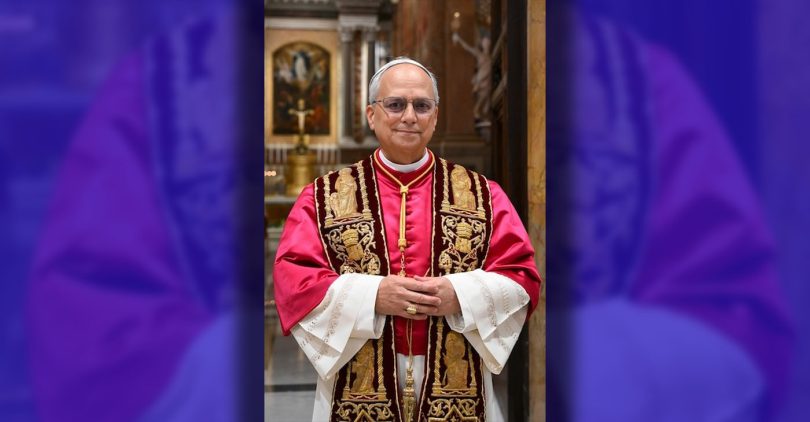
Black America is taking pride in a truth shaking up the Vatican and resonating through the streets of New Orleans: Pope Leo XIV—formerly Cardinal Robert Prevost of Chicago—has Black and Creole roots. The Pope’s factual anthropological roots are not just symbolic. According to genealogist Jari Honora, his maternal lineage traces directly to the Black community of New Orleans’ 7th Ward, with family ties to Haiti, and census records identifying his ancestors as “Black” or “Mulatto.” “By the Europeans’ own ‘1/8th’ rules, we have a Black Pope,” noted author Elie Mystal declared. “Anyway, Pope’s grandfather is Haitian. We kind of got a Black Pope. ‘End Woke’ is not gonna be happy about this.” Further, New Orleans historian Jari Christopher Honora also speaking to the National Catholic Reporter and Black Catholic Messenger, detailed how the pope’s grandparents married in 1887 at Our Lady of the Sacred Heart Church on Annette Street in New Orleans before migrating north. His mother, Mildred Martínez, was the first child in the family born in Chicago. “The Holy Father’s ancestors are identified as either Black or Mulatto,” Honora said.

The Chicago Tribune and New York Times also reported on Pope Leo’s mixed-race background and Creole lineage, noting that his election marks a defining moment in the Church’s evolving identity. “As a Black man, a proud son of New Orleans, and the U.S. Congressman representing the very 7th Ward neighborhood where our new Pope’s family hails from, I am bursting with pride today,” said Rep. Troy Carter. “This is history! The first American Pope, with Creole and Haitian roots, rising from the streets of New Orleans to the Vatican. As a Xavier University alum, I know how deeply faith and resilience run in our community. We celebrate this moment—with joy, with prayers, and with pride.” Former New Orleans Mayor Marc Morial called Leo XIV’s background “universal,” saying, “Here’s an American whose ministry was in Peru, who has roots in the American South and also ancestry in the American Black community.” Leo XIV is a member of the Augustinian Order, named after the African theologian St. Augustine of Hippo. His election came from a conclave in which two other leading contenders—Cardinal Peter Turkson of Ghana and Cardinal Fridolin Ambongo Besungu of the Democratic Republic of Congo—were also men of African descent.

But Leo XIV stood apart—not just as the first pope from the U.S. but as one known for his outspokenness on racial justice, immigrant rights, gun reform, and the abolition of the death penalty. TIME Magazine reported that his selection represented a Vatican rebuke of efforts by wealthy Americans and political operatives aligned with Donald Trump to influence the papal outcome. Known in Rome as “The Latin Yankee,” Leo XIV used his verified X account (@drprevost) to amplify criticism of Trump-era immigration policies, often reposting commentary from respected Catholic figures. The New York Post reported that his last post before his election was a retweet of Catholic journalist Rocco Palmo slamming Trump’s alliance with El Salvador’s President Nayib Bukele over migrant deportations. Back in 2017, the Roman Catholic leader also reposted a message quoting Chicago Archbishop Blase Cupich, calling Trump’s refugee bans “a dark hour of US history.”

Though Trump offered lukewarm congratulations from the White House driveway, his far-right allies were quick to lash out. Laura Loomer tweeted, “WOKE MARXIST POPE,” calling Pope Leo “just another Marxist puppet in the Vatican.”But outside the MAGA echo chamber, in Black communities across the globe, the emotion is pride. “The pope is Black,” journalist Clarence Hill Jr. said bluntly. And that means something in the Black neighborhoods of Chicago and the Creole corridors of New Orleans. Many said it means representation, resilience, and the reshaping of history at the highest level of the Catholic Church. “We celebrate this moment—not because it erases the struggles of our past, but because it affirms that our faith, our heritage, and our presence matter,” Rep. Carter said. “This is history, and it belongs to all of us.” The. Reverend Dr. Benjamin F. Chavis, Jr. affirmed, “On behalf of the Black Press of America as the authentic voice of 50 million African Americans and millions more throughout the African diaspora, we join to celebrate Pope Leo XVI, a world leader of African descent who speaks truth to power with courage and grace.”

Filed Under: Latest News, Religion, World News Tagged With: @drprevost, 7th Ward, African Americans, African descent, African diaspora, American South, Annette Street, Augustinian Order, Black America, Black Catholic Messenger, black community, Black Pope, Black Press of America, Black roots, Cardinal Fridolin Ambongo Besungu, Cardinal Peter Turkson, Cardinal Robert Prevost, Catholic Church, Catholic journalist Rocco Palmo, chicago, Chicago Archbishop Blase Cupich, Chicago Tribune, Church identity, Clarence Hill Jr., conclave, courage, Creole lineage, Creole roots, death penalty abolition, Democratic Republic of Congo, Donald Trump, Elie Mystal, faith, Featured, genealogist Jari Honora, grace, gun reform, Haiti, immigrant rights, Laura Loomer, MAGA, Marc Morial, Mildred Martínez, mixed-race background, Mulatto, National Catholic Reporter, New Orleans, New York Times, Our Lady of the Sacred Heart Church, Pope Leo XIV, Pope Leo XVI, Racial Justice, refugee bans, Rep. Troy Carter, representation, resilience, Reverend Dr. Benjamin F. Chavis Jr., St. Augustine of Hippo, The Latin Yankee, Time Magazine, truth to power, Vatican, Vatican rebuke, woke Marxist pope, world leader, X account, Xavier University

OP-ED: Target National Selective Buying Campaign Continues

April 24, 2025 By MKE Community Journal Leave a Comment

Photo: iStockphoto / NNPA.

By Dr. Benjamin F. Chavis Jr.
President and CEO, National Newspaper Publishers Association

The National Newspaper Publishers Association (NNPA), representing the Black Press of America, hereby reiterates our profound disgust and unwavering opposition to the continued disrespect shown toward Black America by Target Corporation.

Two months ago, the NNPA launched a National Selective Buying and Public Education Campaign in response to Target’s blatant retreat from its stated commitments to Diversity, Equity, and Inclusion (DEI). This campaign is not simply about economic protest it’s about justice, dignity, and the unyielding demand for respect.

As far back as October 2024, we sent a formal letter to Target CEO Brian Cornell detailing the company’s persistent refusal to invest in Black-owned newspapers and media outlets. That letter was met with silence. Silence, in the face of truth, is complicity. By ignoring our appeal, Mr. Cornell and Target have made clear that they do not value the voices, institutions, or the economic power of Black America.

Let us be clear: we will not shop where we are disrespected. Our dollars will not finance our own marginalization. The Black Press has, for over 198 years, amplified the stories and struggles of our communities when others would not, we continue to, “plead our own cause.” Yet, in 2025, major corporations like Target continue to bypass us in favor of performative gestures and hollow statements.

We therefore announce the continuation and intensification of the target-TARGET national selective buying campaign. We call upon all freedom-loving people from across all segments of society who believe in economic justice, media equity, and corporate accountability to join us.

To those companies who do embrace the inclusion of their diverse consumer base, we say this: Stand with us not just in words, but in deeds. Show your commitment by investing in our communities, supporting our businesses, and partnering with Black-owned media companies that have long carried the mantle of truth, justice, and advocacy.

This is not just about advertising. This is about visibility. This is about representation. This is about the moral obligation of “Good corporate citizenship” by honoring its promises not with press releases, but with action.

The time for silence is over. The time for selective buying is now.

Filed Under: Economy, Latest News Tagged With: “Good corporate citizenship”, “plead our own cause”, action, advertising, advocacy, all segments of society, Black America, Black Press of America, Black-owned media companies, businesses, commitments, complicity, corporate accountability, dignity, disrespect, diverse consumer base, Diversity Equity and Inclusion (DEI), Dr. Benjamin F. Chavis Jr, Economic Justice, economic power, economic protest, freedom-loving people, hollow statements, Inclusion, institutions, invest in Black-owned newspapers, justice, major corporations, mantle of truth, Marginalization, media equity, media outlets, moral obligation, National Newspaper Publishers Association, National Selective Buying and Public Education Campaign, NNPA, our communities, over 198 years, performative gestures, press releases, representation, respect, stories and struggles, Target CEO Brian Cornell, Target Corporation, target-TARGET national selective buying campaign, Target’s blatant retreat, The Black Press, unwavering opposition, visibility, voices

Trump’s Trade War Hits Black America Hardest as Tariffs Drive Up Costs

February 3, 2025 By MKE Community Journal Leave a Comment

By Stacy M. Brown
NNPA Newswire Senior National Correspondent
@StacyBrownMedia

President Donald Trump’s latest round of tariffs—25% on imports from Canada and Mexico and 10% on imports from China—has sent shockwaves through global markets, sparking retaliatory measures from trade partners and raising concerns about the economic strain on American consumers. But for Black Americans, already facing disproportionate financial burdens, the fallout could be devastating.

“Will there be some pain? Yes, maybe (and maybe not!),” Trump said in a statement. “But we will Make America Great Again, and it will all be worth the price that must be paid.”

For many in Black communities, the cost of that “pain” is far from abstract. Chaniqua Jones, a schoolteacher in New York, is already struggling with budget cuts in her district. “First, consider that most of our students struggle with basic necessities like food and shelter, and many tell us that if they can’t work, they can’t eat,” she said. “That and reduced school budgets that we’re already dealing with will hurt more because, something to remember, we can only use one vendor that the Department of Education approves for supplies, and that vendor can charge anything they want, including, if they choose, as much as $10 for a pencil.”

Jones’ concerns are echoed by business owners, truck drivers, and families who will feel the effects of higher prices in ways the White House appears to have ignored. Jonathan Dolphin, a truck driver from Pennsylvania, sees the changes already. “The trucking industry isn’t the same anymore,” he said. “Hauling heavier loads doesn’t pay us more, and the brokers still charge higher rates. Those people who voted for Trump now have to see how idiotic that was.”

Fuel prices are among the biggest concerns for working-class Black Americans. Canada, the largest supplier of crude oil to the U.S., is now facing a 10% tariff on energy exports. Gas prices in some parts of the country are expected to rise by 30 to 70 cents per gallon, disproportionately impacting on lower-income families who spend a higher percentage of their income on transportation.

George McKenzie, a wildlife photographer in Florida, has already seen gas prices climbing. “I’m honestly worried about the price of gas and food going up,” he said. “As someone who travels frequently for work, any increase in fuel costs directly affects my livelihood.”

Existing disparities in Black communities compound the economic damage from the tariffs. The median household income for African Americans in 2023 was $52,860—well below the national median of $74,580. The racial wealth gap, exacerbated by decades of discriminatory housing and employment policies, means Black families have fewer financial reserves to absorb rising costs.

The tariffs also threaten the already fragile food security in Black communities. The U.S. imports 63% of its vegetables and 47% of its fruits and nuts from Mexico, and tariffs could push grocery prices even higher. Many predominantly Black neighborhoods already struggle with food deserts—areas with limited access to affordable, healthy food. Higher food costs could worsen the crisis.

“It’s already expensive to eat healthy where I live,” said Alicia Brown, a 28-year-old mother of two in Chicago’s South Side. “A gallon of milk is already $5. If they start charging more for fresh produce, people are going to have to make tough choices between food and rent.”

The auto industry, another key economic driver, is also set to take a hit. In 2023, the U.S. imported $69 billion worth of cars and light trucks from Mexico and $37 billion from Canada. Ford F-Series pickups and Mustang sports coupes rely on engines manufactured in Canada. Tariffs on auto parts will drive up costs, adding an estimated $3,000 to the price of some vehicles.

For Black auto workers in cities like Detroit and Atlanta, job security is now in question. Many automakers are considering layoffs or plant closures if production costs soar.

“We’re looking at a repeat of what happened in 2018 when Trump’s first tariffs led to layoffs,” said Maurice Richardson, a 58-year-old autoworker in Michigan. “Except this time, it’s going to be worse.”

The trade war has already drawn strong pushback from U.S. allies. Canadian Prime Minister Justin Trudeau called Trump’s move “short-sighted and reckless,” adding, “If he thinks Canada will just sit back and accept these tariffs without response, he is gravely mistaken.” Canada has announced its own retaliatory measures, imposing a 25% tariff on $155 billion worth of U.S. goods.

Mexico, meanwhile, has slammed Trump’s justification for the tariffs, with President Claudia Sheinbaum calling it “an unjustified economic attack.” Mexico has signaled it may retaliate with tariffs on American exports, including corn and soybeans—moves that would further impact U.S. farmers and lead to even higher grocery prices.

China, the third nation targeted by Trump’s new tariffs, has also vowed to take action. The Chinese Ministry of Commerce announced plans to file a complaint with the World Trade Organization, warning that “the U.S. has chosen a path of confrontation that will hurt American workers more than anyone else.”

In Washington, Congress’s response has been swift. Senate Minority Leader Chuck Schumer criticized the tariffs. “It would be nice if Donald Trump could start focusing on getting the prices down instead of making them go up,” Schumer stated.

“All tariffs are not created equal. Donald Trump is aiming his new tariffs at Mexico, Canada, and China, but they will likely hit Americans in their wallets. I am concerned these new tariffs will further drive-up costs for American consumers.”

The senate leader continued:

“We should be focused on going hard against competitors who rig the game, like China, rather than attacking our allies. If these tariffs go into full effect, they will raise prices for everything from groceries to cars, to gas, making it even harder for middle-class families to just get by.”

The economic storm created by Trump’s trade war is already brewing. The U.S. economy saw inflation drop from its peak in 2022, but analysts now predict a sharp reversal, with costs climbing for everyday necessities. African Americans, who have historically been left behind in economic recoveries, are likely to bear the brunt of the damage.

“This is what happens when policy is made without thinking about the people who will be most affected,” said Dr. Jamal Reed, a District of Columbia-based economist. “This isn’t just an inconvenience. It’s an economic disaster waiting to happen.”

Filed Under: Economy, Latest News Tagged With: Black America, CANADA, EU, inflation, Mexico, necessities, policy, racist, tariff, Trade wars, Trump

Trump’s Policy Plans Signal Major Shifts for Black Communities

November 14, 2024 By MKE Community Journal Leave a Comment

By Stacy M. Brown

NNPA Newswire Senior National Correspondent

@StacyBrownMedia

With the Trump administration preparing to take office in January, plans across numerous policy areas are likely to significantly affect Black Americans. From proposed changes to education funding to civil rights enforcement, early indicators suggest a series of shifts that could reshape access to resources, legal protections, and economic stability within Black communities. Here’s a look at the critical policies and potential outcomes that many might want to monitor under the new administration.

Education Policy

The Department of Education faces an uncertain future under Trump, who has proposed its elimination. This change would dismantle federal oversight on public education standards and divert funding currently allocated to Historically Black Colleges and Universities (HBCUs). Black leaders are concerned that repealing Biden’s pledged HBCU funding would hinder efforts to address historical underfunding at these institutions. Trump has also indicated a desire to provide what he calls “reparations” for white students, citing perceived discrimination due to diversity, equity, and inclusion (DE&I) policies. If enacted, this approach could shift federal resources away from minority students to focus on what Trump describes as “equal access for all.”

Rule of Law

Trump has consistently signaled a reduction in the Department of Justice’s civil rights oversight, raising concerns among advocates. His approach would likely limit the DOJ’s role in addressing police misconduct and civil rights cases, including those involving voting rights protections. Such changes could result in fewer investigations into racial discrimination in police departments and might allow local jurisdictions to address—or ignore—cases of potential discrimination. For Black communities facing systemic challenges in the justice system, this could mean a significant loss of federal support for ensuring equal protection under the law.

Health Care Policy

The Trump administration has expressed an interest in reducing the scope of the Affordable Care Act (ACA) and scaling back Medicaid. Any cuts to these programs stand to have a significant negative impact on Black Americans, who suffer disproportionately from chronic health conditions and high rates of uninsurance. A report by the Kaiser Family Foundation found that Black adults are twice as likely as white adults to rely on Medicaid. Reduced access to affordable health care could increase existing health disparities, particularly in states where Medicaid expansion under the ACA was instrumental in improving Black health outcomes.

Environmental Regulations

Under Trump’s prior administration, environmental protections were scaled back, impacting air and water quality in urban areas where Black Americans are more likely to live. Trump’s deregulatory stance could again see rollbacks on pollution standards and decreased enforcement against industrial polluters, particularly in cities where Black communities are exposed to disproportionately high levels of environmental toxins. According to a report by the NAACP, Black Americans are 75% more likely to live in neighborhoods adjacent to polluting facilities, putting them at greater risk of asthma, respiratory illnesses, and other health issues.

Civil Rights and DE&I Policies

Trump has proposed eliminating many diversity, equity, and inclusion (DE&I) policies across federal agencies, which he argues is needed to combat “reverse discrimination.” This would halt DE&I training, reduce funding for DE&I initiatives, and could even lead to the retraction of DE&I programs in workplaces nationwide. Civil rights groups have raised concerns that ending DE&I policies could weaken protections and opportunities for Black Americans in government and private employment. Additionally, with plans to limit the DOJ’s Civil Rights Division, discrimination protections in housing, employment, and education could be at risk.

Federal Poverty Policy

In previous statements, Trump has advocated for limiting welfare and SNAP benefits, aiming to reduce federal poverty assistance programs. According to the U.S. Census Bureau, Black Americans are twice as likely as white Americans to live below the poverty line, making federal assistance essential for many Black families. Restrictions on these programs could create economic strain in communities already facing higher unemployment rates and limited access to generational wealth. Without strong safety nets, Black communities may experience increased financial instability and a reduced ability to recover from economic downturns.

Reproductive Health

Trump’s support for restrictive reproductive health policies could have far-reaching consequences for Black women, who already face higher maternal mortality rates. His administration’s stance on limiting reproductive services, including defunding clinics that provide abortion and contraception, could disproportionately affect Black women, especially those in underserved areas. According to the CDC, Black women are three times more likely to die from pregnancy-related causes than white women, partly due to limited access to quality reproductive healthcare.

Foreign Policy and Immigration

Trump has indicated that immigration restrictions could be expanded, with stricter enforcement and limitations on family-based immigration, which could affect Black immigrant communities from African and Caribbean countries. With around 4.6 million Black immigrants living in the U.S. (Pew Research), policies that increase deportation rates or restrict visas could destabilize families and communities with close ties to immigrants. Additionally, Trump’s foreign policy stance may deprioritize diplomatic relationships with African and Caribbean nations, limiting business, travel, and educational exchanges that have become vital to many Black Americans with familial or cultural connections abroad.

Trump’s Business Interests and Economic Policy

The Trump administration’s emphasis on corporate tax cuts and deregulation could benefit large corporations but may do little to address income inequality, which disproportionately affects Black Americans. Critics argue that policies focused on supporting corporations and high-income individuals could further limit investment in community programs, housing, and small business support. In these areas, Black communities often seek economic mobility. Data from the Economic Policy Institute suggests that tax policies benefiting corporations without targeted support for lower-income communities tend to increase economic disparities.

Technology and Digital Access

Trump’s approach to technology policy may reduce funding for broadband expansion, essential for improving internet access in underserved Black communities. The digital divide remains a persistent issue, with Pew Research reporting that Black Americans are less likely to have broadband access at home compared to white Americans. Policies that overlook digital equity could limit educational, employment, and healthcare access, further impacting Black communities that rely on affordable internet services for remote opportunities.

A Focus on Civil Rights and Equity

For Black Americans, the incoming Trump administration’s policies in these areas could signal significant shifts in daily life, from economic security and healthcare access to environmental justice and educational opportunity. As Derrick Johnson, President of the NAACP, noted, “Our rights, health, and economic well-being hinge on strong, equitable policies. It’s our job to stay vigilant and protect the progress we’ve made.”

Filed Under: National News, Political Tagged With: Black America, Census, economy, Education, environment, HBCUs, policy, restrictions, Trump

White Women, Latinos Return Trump to Power as Democrats’ Missteps Helps Usher in New Era

November 6, 2024 By MKE Community Journal Leave a Comment

By Stacy M. Brown

NNPA Newswire Senior National Correspondent

@StacyBrownMedia


If there were a job description for the presidency, it might as well be written in bold print: women and people of color need not apply. America made history on November 5, though not the kind many would have foreseen. Voters chose a convicted leader whom a jury has found guilty 34 times, a man whom a judge ruled committed massive business fraud, while another court determined he had sexually assaulted a journalist.

They chose the felon over the prosecutor, fascism over democracy, and servitude over freedom.

Latinos and white women, many of whom once more voted against their own interests, who have borne the brunt of his attacks, were primarily responsible for this outcome. But plainly put, Donald Trump has ascended to the highest office in the land once more. A bruised Kamala Harris, meanwhile, didn’t bother to address the thousands of heartbroken supporters who had gathered at Howard University and soaked up hours by dancing, praying, and hoping that they’d witness the first woman—and first Black and Southeast Asian woman—claim the presidency. As the clock ticked toward midnight, it became clear: Trump had taken the race, and, surprisingly, it wasn’t even close.

“I have to say from basically start to finish this night has been clear,” election analyst Harry Enten said on CNN. “There hasn’t been any weird shifting directions. It’s basically been Trump since we got the first counties in. Very much unlike 2020 when there was whiplash as the vote count went on.” Unofficial results showed that Trump earned at least 276 electoral college votes compared to Harris’s 223.

The battleground states that so-called experts had insisted were in play weren’t close at all: North Carolina, Georgia, Pennsylvania, Wisconsin, Michigan, and Ohio all went Trump.

Riding Trump’s wave, the GOP regained control of the Senate, guaranteeing the rapid implementation of their sweeping conservative agenda, Project 2025. Democrats held out hope for the House, but with Trump facing little to no punishment for his alleged crimes, many wonder if it matters. Many European leaders watched the results overnight.

A French official told NBC News that President Emmanuel Macron viewed the results with some sleep breaks in between. He was one of the first to congratulate Trump, posting on X that he was “ready to work together as we did for four years.”

In Europe, the viability of NATO and other trans-Atlantic alliances hangs in the balance. Despite controversy over Labor Party officials openly backing Harris, Prime Minister Keir Starmer had little choice when he expressed optimism about the “special relationship” between the U.K. and U.S., saying, “I look forward to working with you in the years ahead.”

Hungarian Prime Minister Viktor Orban, himself viewed as the kind of dictator Trump promises to become, appeared ecstatic, writing on X, “The biggest comeback in U.S. political history! A much-needed victory for the World!” German Chancellor Olaf Scholz took a more formal tone, emphasizing Germany’s commitment to working with the U.S. “promoting prosperity and freedom,” while European Commission President Ursula von der Leyen described the E.U.-U.S. relationship as “a true partnership.”

Back home, the path forward looks perilous for Trump’s political enemies. The outcome is a catastrophe for the world, many said. While Harris’s campaign was characterized by skill, grace, and a desire to become the first female president in America’s 248-year history, Trump’s campaign was marred by vulgarity, inflammatory rhetoric, and an attitude toward immigrants that often-echoed history’s darkest chapters. It may have been fair to ask, how was the race even close?

Exit polls reveal that white women, who appeared on the verge of breaking free from the grip of MAGA ideology, voted heavily for Trump despite his disregard for their rights and autonomy. Latino voters also leaned toward Trump, despite his incendiary rhetoric, which included labeling Puerto Rico as an “island of trash” at a recent Madison Square Garden rally.

Democrats must also face the reality of their shocking defeat. After a final debate in which some questioned his cognitive skills, the party sidelined President Joe Biden yet failed to portray Trump as the volatile threat he posed. With his 2020 victory in hand, Biden had warned that he alone could defeat Trump. But instead of managing their issues internally, Democrats choose to embarrass Biden, forcing him out just over 100 days before the election.

Although Harris raised unprecedented amounts of cash and had the backing of global celebrities, she and the Democratic National Committee faced criticism from Black Americans. There were complaints that the campaign appeared to scapegoat Black men, with even former President Barack Obama publicly admonishing Black voters for not doing enough.

High-ranking Democrats, including DNC Chair Jamie Harrison and former Congressman Cedric Richmond, played and lost the dangerous game of alienating Black voters, too. The campaign and the DNC largely ignored the Black Press, notably the National Newspaper Publishers Association (NNPA)—the trusted voice of Black America. Instead of engaging with Black-owned outlets in a move that would not only have provided needed resources for these African American small businesses while helping to get the party’s vital messaging to a critical constituency, the DNC choose to enrich wealthy mainstream outlets and leave out the Black Press. The DNC betrayed the NNPA by allowing the DNC to approach some Black newspapers with miniscule ad buys.

Harris’s campaign, if reluctantly so, only carried through on Biden’s original promise to spend the same $1.5 million with the Black Press of America that Biden’s people had promised. The paltry sum even rankled high-ranking Black lawmakers like Congressman Benny Thompson of Mississippi, who led the House Committee investigating Trump. Harris’s campaign and the DNC wrongly determined that the nearly 200-year-old Black Press couldn’t reach Black and Latino communities as effectively as megastars like Beyoncé, Tyler Perry, and Samuel L. Jackson. Instead, as an extension of the Biden administration, they offered cursory invites to functions like the White House’s Black Excellence celebration, and, after some pleading, access to campaign events like the vice president’s closing argument on the Ellipse and her no-show appearance at Howard University.

There’s little doubt that limited ad buys and the flat refusal to engage the Black Press backfired.

A lack of Trump’s accountability made the mistakes worse. Following his second impeachment by the House, Republican Senate leader Mitch McConnell, who had called Trump “stupid” and “despicable,” had the opportunity to bar Trump from ever running again. But McConnell balked, and Trump was acquitted. After Trump incited the January 6 insurrection, Democrats in Congress led a drawn-out investigation before finally recommending criminal charges. By the time prosecutors in New York, Georgia, Washington, and Florida issued indictments, Trump had rebranded these as “political witch hunts,” gathering momentum as a martyr figure.

“For nearly a decade, he has tapped into America’s id,” U.S. Guardian editor Betsy Reed observed, pointing to a painful racial history stoked by Obama’s election and a sense of displacement among white Christian Americans. Xenophobia, Reed added, remains the backbone of Trump’s political identity. His campaign’s investment in ads stirring fear over transgender rights (“Kamala’s agenda is they/them, not you”) only magnified the appeal.

With a sinister assist from billionaire Elon Musk, Trump secured his victory. “Now brace for another Trump inauguration—American carnage redux—and another fantastical claim about his crowd size,” Reed declared. “Brace for norms to be trampled, institutions to be undermined, opponents to be targeted for retribution. Brace for an Oval Office occupied by a malignant narcissist without guardrails this time. Brace for unhinged all-caps tweets that trigger news cycles and move markets. Brace for national anxiety off the charts and global tremors from China to Ukraine. Brace, also, for a new resistance and surge of anti-Trump energy.”

While many across the globe and in America ask how Trump returned to power, Reed concluded with an ominous reflection: “America had ample opportunities to stop Donald Trump, but each time, it failed. It won’t turn into an autocracy overnight, but there’s no doubt this is a democracy in decay.” And in a piercing final remark, she paraphrased Oscar Wilde: “To elect Trump once may be regarded as a misfortune; to elect him twice looks like madness.”

Filed Under: Latest News, National News, Political Tagged With: Black America, black men, Black press, celebrities, Democrats, DNC, Latinos, Obama, Project 2025, White women

Closing the Wealth Gap in Black America Through Investments in Innovation

October 20, 2023 By MKE Community Journal Leave a Comment

Photo Credit: Pexels

Closing the Wealth Gap in Black America Through Investments in Innovation

By Phillip Washington | Dallas Weekly Magazine

In today’s discussion, we delve into the pressing issue of closing the wealth gap in Black America. Wealth in business and investing exists at the intersection of faith in the future and individual passions. It is important to distinguish between the collective mindset and the individual mindset when addressing topics such as race, sex, or other classification. While the collective mindset shapes the beliefs and mindset of a particular group, the individual mindset empowers each person to claim their own power and intelligence. In this article we are discussing the collective mindset.

Belief Systems and the Evolution of Wealth

Each generation brings forth new ideas that shape the economy and solve the problems of the previous generation. This perpetual cycle of question and answer drives progress and innovation. For example, as we strive for faster and more efficient communication, we witness the evolution from telephones to email, text messages, instant messaging, and social media platforms. With each new idea comes a new form of wealth.

The wealthiest individuals in society are often entrepreneurs who bring innovative business ideas to life, along with the investors who provide the necessary capital. The combination of entrepreneurship and investment is a powerful force in wealth creation. However, it is important to recognize the coexistence of the old and new economies. The old economy relies on manipulation and debt to reshuffle wealth, while the new economy creates wealth where it previously did not exist.

The old economy, with its reliance on debt and manipulation, perpetuates a scarcity mindset. When too many individuals engage in this game, it becomes a competition for a limited pie, leading to conflicts and even wars. On the other hand, the new economy operates in a realm of abundance. Industries such as bitcoin, space, AI, Airbnb hosting, podcasting, gaming, and influencer marketing offer boundless opportunities for wealth creation.

In these new economies, barriers to entry are minimal, and individuals are primarily focused on seizing opportunities rather than being hindered by concerns of race or sex. The internet has democratized access to information, and more people than ever are participating in these new economies. However, the biggest resistance to wealth creation today lies within the individual and collective mindset. Overcoming the fear of the unknown and embracing the uncharted territory of new ideas is essential for progress.

The Power of the Individual in Closing the Wealth Gap

As we navigate the uncharted territory of the new economy, we must recognize that there is no proven path or playbook. We are writing the rules as we go along. This may seem daunting, but it is also an area where many individuals, especially black people, are excelling. The gap in Black America’s wealth will only be closed when more individuals run to the edges and actively participate in these new economies.

It is encouraging to witness the increasing number of black individuals engaging in new media, finance, AI, and other emerging industries. The momentum is in our favor, and we are living in a time when the collective world mind is becoming more open to diverse perspectives. The dominance of the old Eurocentric perspective is gradually fading, making it the greatest time ever to be Black.

Implications and Potential Impact

The implications of embracing the new economy and closing the wealth gap are far-reaching. By actively participating in the edges of innovation, black individuals can become cooperative components of the global movement forward. This movement brings not only wealth but also happiness, peace, and joy. It is an opportunity to shape the future and contribute to a more inclusive and prosperous society.

Closing the wealth gap also has broader societal implications. When individuals from all backgrounds have equal access to wealth creation opportunities, it fosters a more equitable society. It dismantles the barriers that have historically hindered marginalized communities from achieving economic success. By embracing the new economy, Black America can rewrite the narrative and redefine what is possible.

The Lesson

The journey towards closing the wealth gap in Black America requires a continued collective shift in mindset. While external resistance has historically impeded progress, the internet has provided access to information and opportunities like never before. The resistance we face today is primarily internal, rooted in fear of the unknown.

Are there still biased people in positions of power? Of course. There always will be in any majority class’s perspective regardless of race, sex, or other classification. The point is the world is moving fast towards a more diverse perspective and the perceived power of those with a eurocentric perspective is no longer as strong as most believe it to be. Those of us playing at the edges see nothing but space and opportunity. No biases out here, but our own brought in from past memories and stories passed down.

Phillip Washington, Jr. is a registered investment adviser and host of the Wealth Building Made Simple Podcast. Information presented is for educational purposes only and does not intend to make an offer or solicitation for the sale or purchase of any specific securities, investments, or investment strategies. Investments involve risk and, unless otherwise stated, are not guaranteed. Be sure to first consult with a qualified financial adviser and/or tax professional before implementing any strategy discussed herein. Past performance is not indicative of future performance.

Filed Under: Economy, Entrepreneurship Tagged With: Black America, Black News, Black press, Business, Closing the Wealth Gap in Black America, economy, Wealth Creation

  • Page 1
  • Page 2
  • Go to Next Page »

Primary Sidebar

MCJ WEEKLY

PREVIOUS EDITIONS

Go HERE for the Digital Archives

DR. TNT SCHOLARSHIP SPECIAL EDITION

CLICK THE IMAGE THE FULL EDITION

Newsletter Signup

The Milwaukee Community Journal (MCJ) and the Weekend Edition are distributed at a number of community churches; as is the current issue of Healthy Start. With many area churches closed for the next few weeks due to the coronavirus, your MCJ suggests you pick up your edition of the newspaper, Weekend Edition and Healthy Start at our offices, located at 3612 N. Martin Luther King Drive. We’re open from 10 a.m. to 4:30 p.m., Monday through Friday. You can still pick up the MCJ at several Walgreens and Pick n’ Save stores throughout the community, as well as city hall and the county courthouse.

Recent Posts

  • Oakland Protesters Rally to Defend Haitian Immigrants and TPS
  • OPINION: 57,000 Empty Apartments and Not a Word of Apology – City Limits
  • ‘Choppin’ it up’ with a brotha about Crowley’s win, and why Black folks aren’t down with the Democratic Socialists!
  • Identifying Opportunities to Strengthen Wisconsin’s Emergency Response
  • Present Music Highlights Women Composers in Woman’s Club of Wisconsin’s 150th Celebration

CLASSIFIEDS

CLASSIFIEDS

Place your notice of divorce, name change, etc. in the Milwaukee Community Journal's Classifieds! Contact is at 414-265-5300

Follow Us

  • Facebook
  • Instagram
  • Twitter
  • YouTube

Tags

2016 election African Americans Alderman Khalif J. Rainey ALDERWOMAN CHANTIA LEWIS Alderwoman Milele A. Coggs annual Baylor College of Medicine Biden Black History Month Black press Boko Haram civil rights community coronavirus COVID-19 Dating Advice day Democrats diversity Donald Trump Education event Featured free George Floyd HuffPost Live Joe Biden Love & Sex Love and Relationships Mayor Tom Barrett mental health Milwaukee Repertory Theater naacp national NNPA pandemic racism report Republicans Reuters social media Trump Trump Administration What Is Working: Small Businesses White House

Categories

H5_WEDC1027_AA_300x250

Copyright © 2026 Milwaukee Community Journal