• Skip to primary navigation
  • Skip to main content
  • Skip to primary sidebar
  • About
  • Contact
  • Advertise

Milwaukee Community Journal

  • News
    • Local News
    • National
    • World
    • Political
  • Men Building Men
  • Lifestyle
    • Arts & Entertainment
    • Fashion
    • Culture
    • Religion
  • Economy
    • Small Business
    • Money
    • Entrepreneurship
  • Health
    • Family
    • Relationships
  • Education
  • Jobs
    • Housing
  • Scholarship Fund
You are here: Home / Archives for children

children

IN MEMORIAM: Jimmy Cliff: Music Pioneer and Partner to Bob Marley, Dies at 81

November 24, 2025 By MKE Community Journal Leave a Comment

Jimmy Cliff in concert (Wikimedia Commons / Photo by Philippe Jimenez)

By Lauren Burke

The six-decade career of legendary artist Jimmy Cliff, who was born in the Somerton District of Jamaica, was one of the most influential in reggae history and a global ambassador for Jamaican culture. Cliff was raised in a rural farming community and began writing songs as a child. His family moved to Kingston as a teenager to pursue his music. What followed over the next thirty years was legendary.

Cliff’s wife, Latifa Chambers, wrote on Instagram in the early morning hours of November 24 that, “It’s with profound sadness that I share that my husband, Jimmy Cliff, has crossed over due to a seizure followed by pneumonia. I am thankful for his family, friends, fellow artists, and coworkers who have shared his journey with him. To all his fans around the world, please know that your support was his strength throughout his whole career. He really appreciated each and every fan for their love.” She then thanked Cliff’s doctors and medical staff.

Jimmy Cliff and Bob Marley shared a parallel rise within Jamaica’s dynamic 1960s music scene, each shaping the emerging sound of reggae while carving distinct artistic identities. The two maintained a relationship marked by mutual respect and an understanding of each other’s cultural impact. Cliff, who achieved international recognition earlier, particularly through “The Harder They Come,” helped open global doors that Marley would later rocket through as he became the reggae genre’s most iconic figure. Marley would, in turn, push the music’s political aspects to new heights, which Cliff openly admired. Their relationship was defined less by collaboration and more by a shared mission: Elevating Jamaican music onto the world stage and using it as a vehicle for storytelling, struggle, and liberation.

Jimmy Cliff achieved his breakthrough moments with a series of socially conscious songs in the 1960s. They included “Many Rivers to Cross,” “You Can Get It If You Really Want,” and “The Harder They Come.” That song became part of a movie soundtrack that would introduce reggae to international audiences and build Cliff’s image as a pioneer of the genre. Cliff would become second only to Bob Marley in shaping reggae’s global reach.

Over the decades, Cliff continued to change musically and fuse reggae with rock, pop, and world music influences. But he always maintained sharp political and emotional clarity in his songwriting. Jimmy Cliff’s musical collaborations included work with the Rolling Stones, Elvis Costello, and Annie Lennox.

Cliff’s contributions earned him induction into the Rock & Roll Hall of Fame in 2010, making him one of the few reggae artists to be inducted into the Hall. Known for his charismatic stage presence and unwavering commitment to political messages of resilience, Jimmy Cliff will remain an enduring icon whose music has spoken across generations from Jamaica and beyond.

Jimmy Cliff is survived by his children, Lilty Cliff, Aken Cliff, and Nabiyah Be.

Filed Under: Arts & Entertainment, Latest News Tagged With: 1960s music scene, Aken Cliff, Annie Lennox, Bob Marley, children, Elvis Costello, global ambassador, international recognition, Jamaica, Jamaican culture, Jimmy Cliff, Kingston, Latifa Chambers, Liberation, Lilty Cliff, Many Rivers to Cross, music icon, music pioneer, musical collaborations, Nabiyah Be, pneumonia, political music, reggae, resilience, Rock & Roll Hall of Fame, Rolling Stones, seizure, socially conscious songs, Somerton District, stage presence, struggle, The Harder They Come, You Can Get It If You Really Want

Everything You Need to Know About Head Start

August 19, 2025 By MKE Community Journal Leave a Comment

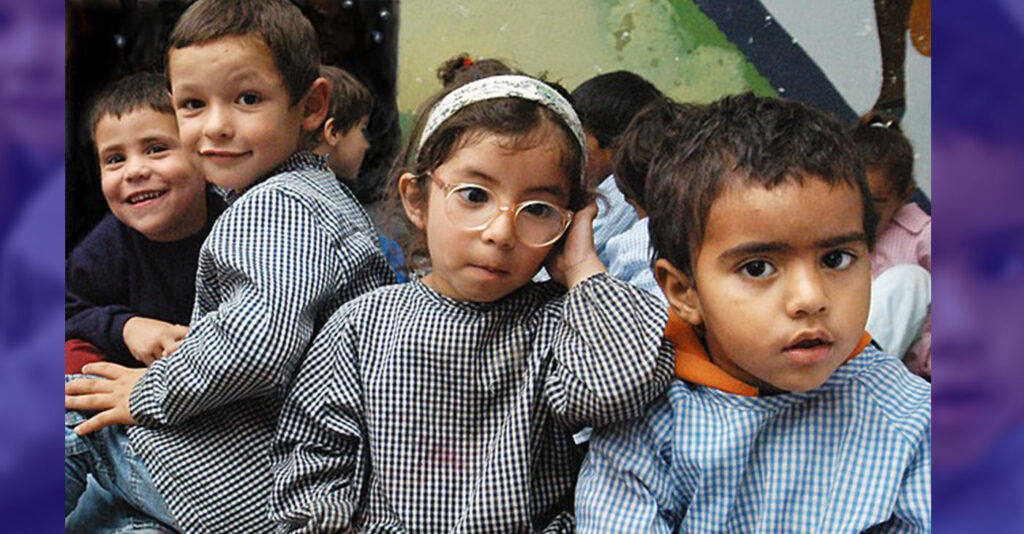
A group of diverse kids smile in this portrait. They are stacked on top of each other while cuddling in close and showing how happy they are.

Head Start programs prepare America’s most vulnerable young children to succeed in school and in life beyond school. To achieve this, Head Start programs deliver services to children and families in core areas of early learning, health, and family well-being while engaging parents as partners every step of the way.

The Head Start program encompasses Head Start Preschool programs, which primarily serve 3- and 4-year-old children, and Early Head Start programs for infants, toddlers, and pregnant women. Head Start programs operate in every state, many tribal nations, and several U.S. territories, including Puerto Rico. Head Start services are delivered nationwide through 1,600 agencies that tailor the federal program to the local needs of families in their service area.

To reach the children and families who need Head Start services the most, programs are designed according to community needs. Directly funded at the local level, Head Start programs tailor their programs as appropriate for families in the designated service area. These programs may be provided in different settings and hours according to the needs indicated by their community assessment.

Since 1965, Head Start programs have reached 40 million children and their families. Children who enrolled in Head Start programs are more likely to graduate from high school and attend college, have improved social, emotional, and behavioral development, and are better prepared to be parents themselves than similar children who did not attend the program. Children enrolled in Early Head Start programs have significantly fewer child welfare encounters related to sexual or physical abuse between the ages of 5 and 9 than those who don’t attend.

Research consistently shows a broad pattern of impacts for children at the end of their Head Start enrollment. While these benefits may appear to diminish in the early grades, economic benefits emerge as children become adults. The Head Start program’s two-generation design — coupled with research-based, high-quality comprehensive services — has the power to change the trajectory for children’s outcomes.

Does my family qualify for the Head Start program?

Your family qualifies for the Head Start program if your household income is at or below the poverty level. Check the Poverty Guidelines to see if your family qualifies. Families who receive public assistance (TANF, SSI, or SNAP), and those with children in foster care or children who are homeless, also qualify regardless of income.

How do I apply for the Head Start program?

Talk to your local Head Start program. They’ll help you find out if your child qualifies, give you the forms you need, and tell you what documents you’ll need to submit. If there is no space for your child, you can ask to be added to the waiting list.

How to Find Your Local Head Start Program

Use the Head Start Center Locator to find a Head Start program near your home. Watch this video if you need more help using the Locator. Call the phone number listed to find out the next steps in the process. If you need more help to find a Head Start program near your home, call (toll-free) 1-866-763-6481 Monday–Friday, 8 a.m.–6 p.m. ET or use the “Contact Us” link at the top of the page.

Source: U.S. Department of Health & Human Services

Filed Under: Education Tagged With: abuse prevention, application, behavioral development, Child Welfare, children, college attendance, community need, comprehensive services, Early Head Start, early learning, economic benefits, eligibility, emotional development, families, family well-being, Featured, foster care, head start, Head Start Center Locator, health, high school graduation, homelessness, infants, local agencies, parent engagement, poverty level, pregnant women, preschool, Puerto Rico, SNAP, social development, SSI, TANF, toddlers, tribal nations, two-generation design, U.S. Department of Health & Human Services, U.S. states, U.S. territories, vulnerable children, waiting list

Congress Moves to Block Trump’s Social Security Assault

August 19, 2025 By MKE Community Journal Leave a Comment

By Stacy M. Brown
Black Press USA Senior National Correspondent

In its nonstop assault on the most vulnerable Americans, the Trump administration is preparing to impose sweeping cuts to Supplemental Security Income (SSI), a program that provides a lifeline for the nation’s poorest seniors, children, and severely disabled adults. The proposed rule would strip eligibility from hundreds of thousands and slash monthly payments by as much as one-third, even as new data confirms Social Security’s trust funds are facing insolvency within the next decade.

According to the Center on Budget and Policy Priorities (CBPP), nearly 400,000 people stand to lose critical income. That includes more than 275,000 who would see cuts of about $300 a month, and over 100,000 who could lose their benefits entirely. The changes target families already under strain, specifically SSI recipients living with relatives who receive SNAP, the Supplemental Nutrition Assistance Program.

Reversing Protections for Struggling Families

The Biden administration had expanded the definition of “public assistance household,” shielding recipients from the harshest penalties. That safeguard ensured that low-income families receiving food assistance would not be punished for offering shelter to an elderly parent or disabled child. Trump’s rollback would erase that protection, returning to outdated rules from 1980. “Receiving food assistance from SNAP would no longer be enough to qualify a family as a ‘public assistance household,” CBPP analysts warned. “The resulting SSI benefit cuts would be felt in low-income households with disabled family members or older relatives across the country”. The typical multi-person SNAP household with an SSI recipient survives on about $17,000 annually—well below the poverty line. Under the new rule, a woman with Down Syndrome living with low-income parents could see her benefits plunge from $967 to less than $700 a month, with families forced to track and report household expenses line by line.

Fallout Across the States

Every state would be affected. California could lose benefits for 57,600 people, New York 35,900, Florida 30,800, and Texas 23,600. Even small states like Vermont, Wyoming, and Alaska face losses. Advocates warn that the proposal would drive more disabled people into institutions, increase homelessness, and add crushing red tape. The cuts come as Social Security marked its 90th anniversary. Nearly 70 million Americans depend on the program, but the latest Trustees’ report projects its trust funds will be depleted by 2034, triggering an automatic 23% cut to monthly checks unless Congress acts.

Unions and Lawmakers Push Back

Unions and community groups are mobilizing. The AFL-CIO’s “It’s Better in a Union” bus tour stopped in Bakersfield, California, where California Nurses Association president Sandy Reding blasted the Trump budget bill as “a cruel piece of legislation that will have disastrous consequences for the most vulnerable in our communities, including the patients I care for in Bakersfield.” In Wilkes-Barre, Pennsylvania, American Federation of Government Employees (AFGE) President Everett Kelley pledged to fight Social Security staffing cuts. “Across the country, we are using our voice—as workers, as parents, as people who care about our communities—to demand that this administration and Congress do whatever it takes to protect Social Security,” Kelley asserted. “The American people deserve nothing less.”

Democratic leaders are also taking action. Senate Majority Leader Chuck Schumer is preparing a September bill he calls the “Keep Billionaires Out of Social Security Act,” aimed at reversing Trump’s cuts, reopening shuttered field offices, and restoring staffing. “Social Security to me means my life,” said Ellen Carter, a New York recipient. “It means medicine gets paid; it means that I have a place to sleep at night.” Sen. Ron Wyden (D-OR) introduced a companion bill in the Senate that would add $5 billion in funding, restore staff, safeguard data, and launch an investigation into the Department of Government Efficiency, which has overseen the Trump administration’s Social Security cutbacks. “Trump and his Republican allies have made it crystal clear—holding on to earned benefits requires vigilant defense,” Wyden said.

The Stakes for Millions

For the 7.5 million Americans who rely on SSI each month, including many with severe disabilities, the stakes are life and death. “For 90 years, we’ve kept America’s greatest anti-poverty success story alive,” Jessica Lapointe, president of AFGE Council 220, told reporters. “We serve widows, orphans, the elderly, disabled, every vulnerable soul in your families and your communities, and they deserve respect and dignity when they come for their earned benefits.”

Filed Under: Economy, Health Tagged With: AFGE, AFL-CIO, Alaska, American Federation of Government Employees, anti-poverty, california, California Nurses Association, CBPP, Center on Budget and Policy Priorities, children, Chuck Schumer, cuts, Democratic leaders, Department of Government Efficiency, dignity, disabled adults, earned benefits, elderly, eligibility, Ellen Carter, Everett Kelley, Featured, Florida, homelessness, household expenses, insolvency, institutions, Keep Billionaires Out of Social Security Act, low income families, monthly payments, New York, orphans, poverty, protections, public assistance household, red tape, respect, Ron Wyden, Sandy Reding, seniors, SNAP, social security, SSI, Supplemental Nutrition Assistance Program, Supplemental Security Income, Texas, Trump Administration, trust funds, Vermont, vulnerable populations, widows, Wyoming

Move, Play and Learn at Home

November 11, 2024 By MKE Community Journal Leave a Comment

Little girl playing doctor while listening to her mother’s chest (Photo Credit by peoplelmages)

By SHAPE America

SHAPE America (the Society of Health and Physical Educators) serves as the voice for 200,000+ health and physical education professionals across the United States and recognizes the importance of early childhood education. It suggests these activities to help teach families the importance of physical activity for young children. SHAPE America offers a variety of ideas, strategies, information, and resources for parents to use the space within their homes, the materials they have, and their limited time to model and encourage physical activity.

Here’s an idea for infants (age 2 months or when the child can lie on their tummy and hold up his/her head):

Setting

The Adult lies on his/her back on the floor with the baby lying on top of the adult, facing each other. Place blankets or pillows around the sides of the adult so there is something soft for the baby to touch as the adult rolls from side to side.

Description

As you are lying on your back on the floor, place the infant on your tummy, so that the child is facing you. Begin by holding the child with both of your hands on his/her back. Gently roll your body from side to side. This will cause the child to explore using his/her body to maintain a balanced position, thus contracting many muscles. As the child gains more control, let go little by little, to the point where you are barely holding on to the child as you gently roll from side to side. As the child gets older, you can make this a bit more “rough and tumble” by holding onto the child and increasing your rolling motion from side to side. As you play this game, make the sounds of an airplane engine taking off and banking through the air.

Learning Outcomes

Large Motor Skills: The child begins to gain voluntary control of arm movements, using arms, legs, and torso to maintain balance.

Social Emotional Development: The child displays pleasure in interacting with familiar adults, and engaging in social games through playful, back-and-forth interactions.

It’s important to know that balance requires the use of many different parts of the body at one time. To fully balance, the body must learn to work its different parts together, contracting and relaxing various muscles to achieve the desired posture. As infants lay on their tummies and move their arms and legs, they work very hard, contracting numerous muscles while relaxing others, allowing them to achieve the constantly changing postures while achieving some sense of balance.

Movement Milestone

Most children can lie on their tummies and hold up their heads to look around by the age of 1-4 months. Here’s a pre-K activity that teaches families the importance of physical activity for young children.

Get ready

Space: Outdoors

Stuff: Your imagination

Time: Playing after school, weekend fun

Get set

Throw a leaf or bunch of leaves up in the air and watch them float through space. Talk

about how they move high and low and fast and slow. Some leaves even twist and

twirl as they float down toward the ground.

Go

Now it is your turn. Use your imagination to pretend you are a leaf that has just fallen

from a tree. Float all over space. Dart high and low, fast and slow, twist and twirl until you reach the ground. Try it again but this time pretend to be a very small leaf or a very large leaf. Help your children grow and learn by providing opportunities for both movement and creativity. Children will improve their thinking and movement skills while getting much-needed physical activity. Extend the activity above by pretending to move like other things you may see in nature — jump like a frog, fly like an eagle, roll like a rock, or flow like a stream. Act out a few examples with your child and then let your child lead the activity with a few ideas.

SHAPE America provides many free resources for individual, non-commercial use; learn more at www.shapeamerica.org.

Filed Under: Health Tagged With: a variety of ideas, Act out a few examples, activities, adult, age 2, an idea, arm movements, arms and legs, baby lying on top of the adult, back on the floor, back-and-forth interactions, balance requires, banking through the air, both movement and Creativity, both of your hands, changing postures, child lead the activity, children, contracting and relaxing, contracting many muscles, contracting numerous muscles, Dart high and low, Description, early childhood education, encourage physical activity, engaging in social games, Extend the activity, fallen from a tree, familiar adults, fast and slow, Featured, few ideas, Float all over space, flow like a stream, fly like an eagle, for infants, free resources for individual, from side to side, fully balance, Gently roll your body, Get ready, Get set, go, ground, health and physical education professionals, Help your children grow and learn, his and her back, hold up his and her head, holding the child, homes, improve their thinking, in nature, increasing your rolling motion, infants, information, jump like a frog, Large Motor Skills, Learning Outcomes, legs and torso, lie on tummy, limited time, make the sounds of an airplane engine taking off, model, months, more control, Most children, Movement Milestone, movement skills, much needed physical activity, must learn to work, non-commercial use; learn more, on the floor, outdoors, physical activity, pillows, Place blankets, play this game, Playing after school, pre-K activity, providing opportunities, resources for parents, roll like a rock, rolls from side to side, Setting, SHAPE America, Social Emotional Development, space, strategies, Stuff, talk, teach families, teaches families, the age of 1-4 months, the baby, the body, the child, the child gets older, the desired postures, the importance, the importance of physical activity for young children, the infant on your tummy, the materials, the Society of Health and Physical Educators, the United States, The Voice, through playful, time, time pretend, to maintain a balanced position, to maintain balance, Try it again, twist and twirl, Use your imagination, using arms, using his and her body, various muscles, very large leaf, very small leaf, voluntary control, weekend fun, with your child, working very hard, young children, Your imagination

Head Start Is a Jump Start for Women’s Economic Security

September 17, 2024 By MKE Community Journal Leave a Comment

Children in HeadStart by Vince Alongi

Head Start Is a Jump Start for Women’s Economic Security

By Christian F. Nunes, MBA, MS, LCSW

Since 1964, the Head Start program has been a lifeline for generations of women and families, providing free, high-quality educational, health, social-emotional, and nutritional services and opening doors to opportunity and economic justice that had long been kept shut. Now, as Head Start approaches its 60th anniversary, it’s a great time to look back on all that the program has achieved — and look forward to what our country could look like if Head Start was strengthened. It’s been said that when it began, Head Start was not simply an “innovation” but also an “invention,” and a radical one at that. President Lyndon Johnson, a former teacher in a one-room schoolhouse, believed strongly that education was the key to breaking the cycle of poverty, and Head Start was one of the earliest elements of the “War on Poverty” launched by his administration.

He put the whole engine of government to work on disrupting the cycle of poverty that endured from one generation to the next and advanced a social justice agenda in areas where educational opportunity was denied based on race. Naturally, this intersects with the issue of economic justice for women. As Marian Wright Edelman — the first Black woman admitted to the Mississippi Bar and the founder of the Children’s Defense Fund — described it, “After the Mississippi Summer Project, the Freedom Summer of 1964, without a doubt, Head Start coming to Mississippi in 1965 was the most important follow-up and aftermath. It led to a bunch of independent people getting jobs outside of the plantation structure, not going through the state structure — where they wouldn’t have gotten jobs anywhere, except as janitors. And creating this Head Start program, those 3,000 people multiplied into many of your hundreds of elected officials today. It was the next phase of trying to build the movement.” The experts, scientists, and officials who crafted Head Start believed that a child who is physically or mentally unwell, or who is hungry, would not be able to learn, and they made health and nutrition integral parts of Head Start.

By now, Head Start has served nearly 40 million children (about twice the population of New York), birth to age five, and their families. In 2023, that included more than 833,000 children and pregnant people in all 50 states and the District of Columbia. Head Start protects the healthy development of children living in poverty and it frees parents to pursue their education or employment, opening doors to middle-class security. What’s more, Head Start is an essential building block on the path to universal pre-K, with many states integrating Head Start programs into their state pre-K system. But not everyone sees it that way, with some pushing to eliminate Head Start from state and federal budgets. That would slash pre-K, cut the number of available childcare slots, cause childcare costs for families living in poverty to skyrocket, thwart economic growth, and widen income inequality. Roughly 68% of children under age six have all available parents in the workforce, making access to childcare both a necessity for families and the nation’s economy. It’s been estimated that lack of access to reliable, affordable infant and toddler care costs $122 billion every year due to lost earnings, productivity, and tax revenue.

Childcare is work that supports all other work. Mothers, who do most of the caregiving, too often must choose between staying home reducing their paid work hours to care for their children, or arranging childcare that can be so expensive that continuing to work may not be worthwhile. The cost of childcare can be a “tax” on wages — for every hour a single mother works, she must pay someone else to take care of her children. Head Start saves women money and connects them to a support network of other parents and service providers to help them rise the economic ladder. At a time when most Americans live in childcare deserts, areas with an insufficient supply of licensed childcare, women can’t afford to lose the hundreds of thousands of childcare places and the network of services provided by Head Start. This is especially true in rural communities. A 2018 survey of ten states (Colorado, Georgia, Iowa, Kentucky, Michigan, Minnesota, Mississippi, Missouri, South Dakota, and Texas) found that Head Start programs provided 22% of the overall childcare supply in rural areas, including more than one-third of the center-based child care in Georgia counties and more than 40% in frontier counties (those with a population density of fewer than six people per square mile) in Michigan.

The rising cost of childcare takes a painful, daily toll on women’s economic security. The national average price for childcare in 2023 was $11,582. For families at the poverty level, which is the income eligibility threshold for Head Start, that represents 38.6% of their income and is more than five times greater than the threshold the government has said is affordable for families to pay for childcare. Dozens of studies have shown how Head Start children and their families benefit over the long term across health, education, parenting, high school graduation rates, participation in college, employment, and earnings. One study even found positive impacts on the children of Head Start graduates. The numbers are clear, and the facts are plain. Head Start is a great example of a government that works for women and children. It must be protected, strengthened, and expanded.

Christian F. Nunes is the National President of the National Organization for Women

____________________________________________________________


Filed Under: Economy Tagged With: 60th anniversary, A 2018 survey, a child, a necessity for families, a social justice agenda, administration, affordable for families, affordable infant, all available parents, arranging for childcare, available childcare slots, based on race, birth to age five, Breaking the cycle, build the movement, building block, care for their children, childcare costs, childcare places, children, children living in poverty, children under age six, Christian F. Nunes, colorado, country, crafted Head Start, creating this Head Start program, daily toll, denied, disrupting the cycle of poverty, due to lost earnings, earliest elements, earnings, economic growth, Economic Justice, Education, educational opportunity, elected officials, eliminate Head Start, employment, engine, every year, expanded, expensive, families, families benefit, families living in poverty, Featured, follow-up and aftermath, for generations, for women, former teacher, frees parents, frontier counties, Georgia, Georgia counties, getting jobs, government, great example, Head Start program, health, high school graduation rates, high-quality educational, hundreds of, hungry, in all 50 states, in areas, in Michigan, in the workforce, included more, income, Income Inequality, independent people, innovation, insufficient supply of licensed childcare, integral parts of Head Start, invention, Iowa, janitors, Kentucky, lack of access, lifeline, live in childcare deserts, majority of Americans, majority of caregiving, making access to childcare, Marian Wright Edelman, mentally, Michigan, middle class security, minnesota, Mississippi, Mississippi in 1965, Missouri, mothers, not be able to learn, nutrition, nutritional services, one generation, one study, one-third of the center-based childcare, opening doors, opportunity, other parents, parenting, participation in college, pay for childcare, pay someone, per square mile, physically, population density, positive impacts, poverty, pre-K system, pregnant people, President Lyndon Johnson, productivity, protected, providing free, pursue their own education, reducing their paid work hours, reliable, room, rural areas, rural communities, schoolhouse, scientists and officials, service providers, services provided by Head Start, single mother, six people, skyrocket, social-emotional, South Dakota, state and federal budgets, Staying home, strengthened, support network, supports all other work, tax on wages, tax revenue, ten states, Texas, that the program, the children of Head Start graduates, The cost of childcare, the District of Columbia, the economic ladder, The experts, the facts, the first Black woman, the founder of the Children’s Defense Fund, the Freedom Summer of 1964, the government, the Head Start program, the healthy development, the income eligibility threshold, the issue of economic justice, the key, the long-term, the Mississippi Bar, the Mississippi Summer Project, the nation’s economy, the national average price, the National President for the National Organization for Women, the network, the next phase, The numbers are clear, the overall childcare supply, the path to universal pre-K, the plantation structure, the population of New York, the poverty level, The rising cost, the state structure, threshold, to the next, Today, toddler care costs, unwell, War on Poverty, women, women and children, women’s economic security

Op-Ed: If We Fight, We Win!

August 28, 2024 By MKE Community Journal Leave a Comment

Vice President Kamala Harris

By Reverend Dr.  RB Holmes

As I write this op-ed, there are 72 days, 6 hours, and 55 minutes before the November 5, 2024, presidential election. This presidential election between Vice President Kamala Harris and former President Donald Trump is truly, in many of our lifetimes, the most significant and sacred presidential election perhaps ever. Yes, this is not hyperbole, rhetoric, or sugar high. So much is on the ballot in this nation.  Time will not permit me to recite many of the reasons why we need to vote in record numbers. Democracy is on this ballot; freedom is on this ballot; national security is on this ballot; racial equality is on this ballot; voting rights, women’s rights, civil rights, environmental protection, and decency are on the ballot; the rule of law is on the ballot, and much more. This presidential election between Vice President Kamala Harris and former President Donald Trump will be decided by what the political experts call “battleground” states, such as Georgia, Pennsylvania, Wisconsin, Michigan, Arizona, Nevada, and perhaps North Carolina.

However, my argument is that Vice President Kamala Harris can win Florida. Yes! I said it.  I am of sound mind, and I do not need to be admitted to any mental treatment facility, at least not at this time. Vice President Kamala Harris can win Florida because of her vision, her experience, her leadership skills, her rich history, her heritage, and her sense of decency, dignity, and decorum. I believe that God has ordained Vice President Kamala Harris and called her for such a time as this.  We must thank God for President Biden’s courageous and selfless act of stepping aside and firmly endorsing his competent, capable, calm, and charismatic Vice President.  It was his unwavering endorsement that put an end to the notion of considering other prospects to succeed President Biden. The Bible references “The ram in the bush” (Genesis 22:13) and that ram is Vice President Kamala Harris. Say her name! She can win Florida’s 30 electoral votes! How? Inquiring minds may ask.

Florida is ripe for fresh new leadership. Florida has witnessed clear examples of the danger of Project 2025. We are living and experiencing the pain of Project 2025. This pain includes voter suppression and gerrymandering, the dismantling of   teaching our history factually and truthfully, the disdain for collective bargaining, the disarming and dissolving of our higher education system, taking down duly elected representatives, reducing the power of local school boards, city and county governments, and refusing to accept federal funds to feed hungry children during the summer months, etc. Our constitutional right to free speech is in jeopardy, e.g. we cannot say “climate change” nor “gay.”  Additionally, the autonomy of corporations and businesses is being challenged; the importance of public schools is being jeopardized; lifesaving vaccinations, plus quality health care have been carelessly minimized.

Listen, the over 900 pages of the Project 2025 playbook for the extreme MAGA movement is fully operational in the most diverse state in this nation, Florida. If we reject Project 2025 and implement Project Rise-Up, Vice President Kamala Harris can win Florida and save our democracy, our constitution, and our freedoms. If we can convince most registered independent voters to vote for the Harris-Walz ticket, we win.

I am an Independent and I am voting for my children’s and grandchildren’s future. There are over 3.9 million, or approximately 34 percent of voters in Florida who are not affiliated with a political party.  Furthermore, there are 5.3 million Republican voters (39 percent) and 4.3 million Democrats (29 percent).  My prayerful points are that the overwhelming number of Democrats will vote for the Harris and Walz ticket. Deep down in my spiritual soul, I believe there are a significant number of Republican voters who will listen to their “better angels “and join most Independents and that is how, after much thought, prayer, common sense, and love of country, will turn Florida “Blue” and we can say with “Joy,” Madam President.

This effort is not going to be easy. I will encourage the Harris-Walz campaign to fight for the great state of Florida.  To “Rise-Up” I am humbly asking them to rethink their strategy by allocating the necessary resources and ground game by sending some of their key surrogates to visit major cities in the Sunshine State and even send the brilliant and beautiful Vice President herself, or her capable running mate, Governor (Coach) Tim Walz to visit Florida. Vice President Kamala Harris has provided energetic, engaging, and electrifying leadership to the campaign. Her energy, passion, hope, and joy are contagious. It shows up in her mass gatherings of enthusiastic supporters. This energy can be sustained from state to state; this energy is transferable; and I believe this energy can lead to an historic turnout of voters in Florida.

Yes, we can, and yes, we will win Florida. Florida is ready to embrace “The New Way Forward.”  Well, this is one of the preachers of Florida who strongly believes that “With God, nothing is impossible! “Let us “Rise Up” and go to work to turn Florida blue this November.

Reverend Dr.  RB Holmes is President and Publisher of the

Capital Outlook Newspaper and the pastor of the historic Bethel Missionary Baptist Church in Tallahassee, Florida;  Local President of the National Action Network,  Tallahassee Florida; Former President of the National  Baptist Convention, USA, Inc., Congress of Christian Education; Chairman of the Social Justice Ministry of the Florida General Baptist Convention, Inc.; Chairman of the Board of Directors for the First Bethlehem Baptist Association: Member of the Board of Trustees, Edward Waters University; and former member of Board of Trustees of Florida Memorial University and Florida A and M Universities

Filed Under: Latest News, Political Tagged With: allocating, arizona, beautiful, Blue, businesses, calm, capable, Capital Outlook Newspaper, Chairman of the Board of Directors, Chairman of the Social Justice Ministry, challenged, charismatic, children, city, civil rights, Climate Change, coach, common sense and love of country, Congress of Christian Education, constitutional right, county governments, courageous, decency, decorum, democracy, Democrats, dignity, diverse state, Donald Trump, Edward Waters University, elected representatives, election, electoral votes, electrifying leadership, endorsing, energetic, energy, energy is transferable, engaging, enthusiastic supporters, environmental protection, experience, experiencing the pain, Featured, federal funds, feed hungry children, fight for the great state, Florida, Florida A and M Universities, Florida Memorial University, former member, former President, former President Donald Trump, Former President of the National Baptist Convention, free speech, Freedom, fully operational, future, gay, Genesis 22:13, Georgia, gerrymandering, God has ordained, governor, grandchildren, heritage, historic turnout, hope, hyperbole, in jeopardy, in this nation, Inc, Inquiring minds, is contagious, joy, Kamala Harris, key surrogates, leadership skills, lifesaving, lifetimes, living, Local President, local school boards, Madam President, MAGA movement, majority of Independents, mass gatherings, mental treatment facility, Michigan, most registered independent voters, National security, Nevada, new leadership, North Carolina, November 5 2024, number of Democrats, OP-ED, our constitution, our freedoms, pages, passion, Pennsylvania, political party, prayer, prayerful points, president, President and Publisher, President Biden, presidential election, Project 2025, Project 2025 playbook, Project Rise-Up, public schools, quality health care, racial equality, recite, Republican voters, resources and ground game, Reverend Dr. RB Holmes, rhetoric, rich history, rule of law, running mate, sacred presidential election, save our democracy, selfless act, sense of decency, significant number, spiritual soul, state to state, stepping aside, strategy, sugar high, Tallahassee, Tallahassee Florida, teaching our history, the autonomy of corporations, the ballot, The Bible references, the campaign, the danger, the disarming and dissolving of our higher education system, the disdain for collective bargaining, the dismantling of, the First Bethlehem Baptist Association Member of the Board, the Florida General Baptist Convention, the Harris-Walz campaign, the historic Bethel Missionary Baptist Church, the National Action Network, the pastor, the political experts, the summer months, the Sunshine State, thought, Tim Walz, time, to vote, Trustees, unwavering endorsement, USA, Vaccinations, vice president, Vice President Kamala Harris, vision, visit major cities, vote for the Harris, vote for the Harris-Walz ticket, voter suppression, voting rights, who are not affiliated, Wisconsin, witnessed, women rights

Early Literacy is an Educational Priority

August 20, 2024 By MKE Community Journal Leave a Comment

Dr. Herb Turner Founder, President and Principal Scientist Analytica Inc
Dr. Marina Merrill Director of Research & Strategy Children’s Institute

In 2023, the Oregon legislature launched the Early Literacy Success Initiative to help all students learn to read, as only 46% of students read proficiently by the end of grade 3. To support the initiative, the Children’s Institute (CI) partnered with the Regional Educational Laboratory Northwest (REL Northwest) to compile accessible, evidence-based resources to support this effort and strengthen literacy practices for young children.

Preschool students at the Preschool Promise program at the Center for African Immigrants and Refugees in Portland, Oregon.

Why early literacy matters

Why focus on birth to grade 3? Early experiences shape the foundation for all future learning, with critical brain development occurring before age five. When young children develop strong language skills early on, they are better equipped to engage in learning and succeed academically. Children who fail to achieve reading proficiency by grade 3 are four times more likely to drop out of high school. Thus, early literacy is an educational priority and an equity issue, as it can help mitigate the effects of poverty and systemic inequities.

Evidence-based early literacy resources

REL Northwest compiled vetted resources to support early literacy from ages 0–3 and preschool to grade 3. For children ages 0–3, these resources include interactive reading apps, early literacy games, and parent-child reading guides. Educators and parents can integrate these strategies into home visiting programs, early intervention services, and community-based programs. For older children in preschool and elementary school settings, the resources include guided reading materials, phonics-based learning tools, and literacy assessment guides.

For example, How Parents and Families Support Oral Language and Vocabulary provides research-based strategies, example texts, and real-life vignettes that parents and families can use to develop oral language skills in infants, toddlers, and preschoolers, including those from diverse linguistic backgrounds. Another resource, A Kindergarten Teacher’s Guide to Supporting Family Involvement in Foundational Reading Skills, helps teachers support families in practicing foundational reading skills at home as a companion to the recommendations for classroom instruction. These resources address the unique needs and challenges faced by students, including students from low-income families, English learner students, and students with disabilities.

Children’s Institute published these resources on a custom web page designed for families, caregivers, practitioners, and policymakers to access and use practices linked to improving student outcomes. The resources are presented in a user-friendly format with clear instructions and explanations.

Policy context and future directions

The shift toward identifying literacy skills on the zero-to-grade-3 continuum reflects a growing recognition of the importance of early childhood education. This approach aligns with national trends and funding opportunities, emphasizing the need for comprehensive early literacy strategies. By thinking beyond the traditional PreK–3 continuum, Oregon is positioning itself as a leader in early childhood education reform.

The infusion of state funding into early literacy initiatives, particularly the Early Literacy Success Initiative, opens new possibilities. By leveraging this funding, educators and policymakers can adopt and integrate these tools and strategies into their existing frameworks, ensuring that every child in Oregon can develop strong literacy skills from the earliest age.

By creating a more equitable education system that empowers all children to reach their full potential, this initiative aims to improve early literacy and foster a sense of shared responsibility and commitment to the future of our children and our communities. Lessons learned can or should inform efforts throughout the country and inspire action on early literacy.

The role of REL Northwest and Children’s Institute

REL Northwest plays a crucial role in building the capacity of education stakeholders across Alaska, Idaho, Montana, Oregon, and Washington and helping state and district leaders use data and evidence for informed decision-making. REL Northwest conducts applied research and provides training and technical support to state and local education agencies and community organization partners in the region.

Children’s Institute, a nonprofit organization, focuses on improving the lives of children from prenatal to fifth grade in Oregon, especially those facing systemic barriers like poverty, racial inequities, disabilities, or rural areas. CI’s work focuses on shaping state early childhood policy related to early learning and healthy development and working with schools and districts to strengthen teaching practices in preschool through fifth grade with its Early School Success initiative. They collaborate with various stakeholders, including families, educators, regional leaders, policymakers, and health organizations, to ensure a comprehensive approach to early childhood education.

Filed Under: Education Tagged With: A Kindergarten Teacher's Guide to Supporting Family Involvement in Foundational Reading Skills, a nonprofit organization, age five, ages 0–3, Alaska, all children, an equity issue, at home, better equipped, birth to grade 3, building the capacity of education stakeholders, challenges, child, children, children ages 0–3, Children's Institute, classroom instruction, clear instructions, collaborate, commitment, communities, community organization partners, community-based programs, companion, compile accessible, comprehensive approach, comprehensive early literacy strategies, conducts applied research, critical brain development, develop oral language skills, develop strong, develop strong literacy skills, disabilities, district leaders, districts, diverse linguistic backgrounds, drop out of high school, early childhood education, early childhood education reform, Early experiences, early intervention services, early learning, early literacy, early literacy games, early literacy initiatives, early literacy resources, early on, Early School Success initiative, education system, educational priority, educators, educators and policymakers, effort, English learner students, evidence, Evidence-based, evidence-based resources, example texts, existing frameworks, explanations, faced by students, facing systemic barriers, fail to achieve reading proficiency, Featured, fifth grade, for all future learning, foster a sense of shared responsibility, foundational reading skills, funding opportunities, future directions, future of our children, grade 3, growing recognition, health organizations, healthy development, help all students, helping state, helps teachers, home visiting programs, Idaho, identifying literacy skills, improve early literacy, improving the lives of children, in Oregon, in practicing, in the region, including families, infants, inform efforts, informed decision-making, inspire action, integrate, interactive reading apps, language skills, launched, learn to read, learning, Lessons learned, linked to improving student outcomes, literacy assessment guides, low income families, mitigate the effects, Montana, national trends, older children, opens new possibilities, Oregon, parent-child reading guides, parents, Parents and Families, partnered with, phonics-based learning tools, Policy context, policymakers, poverty, poverty and systemic inequities, practitioners, prenatal to fifth grade, preschool, preschool and elementary school settings, preschool to grade 3, preschoolers, provides research, provides training, racial inequities, reach their full potential, read proficiently, reading materials, real-life vignettes, regional leaders, resources, rural areas, shape the foundation, shaping state early childhood policy, state and local education agencies, state funding, strategies, strengthen literacy practices, students, students with disabilities, succeed academically, support families, Support Oral Language, teaching practices, technical support, the country, the earliest age, the Early Literacy Success Initiative, the initiative, the Oregon legislature, the recommendations, the Regional Educational Laboratory Northwest, The role of REL Northwest, The shift, to access, To support, toddlers, tools, use data, use practices, user-friendly format, vocabulary, Washington, with various stakeholders, working with schools, young children

The Game Changing Power of Love

May 29, 2024 By MKE Community Journal Leave a Comment

Kali Thorne Ladd, Chief Executive Officer, Children’s Institute

For many working in the early childhood field, we understand the need to offer our youngest children nurturing and caring environments that stimulate learning and healthy development. The neuroscience of brain development helps us understand why.

In the first year of life, 1 million neural connections are made in the brain every minute. The first 1,000 days of a child’s life are most critical to brain development and social-emotional well-being. Ninety-five percent of brain development happens in the first five years of a child’s life.

Neuroplasticity is greatest in our younger years, so our ability to scaffold our brain toward resiliency starts early and has lasting impact.

But many things can get in the way of optimal development for young children. Abuse, racism and poverty can cause stress and trauma. Being bullied in school or elsewhere can create significant challenges and undermine a sense of belonging. The lack of caring adults in these circumstances can leave children feeling unsafe and insecure. Living through a global pandemic or under the constant threat of racial or school violence can compound the stress response in children.

When a child experiences stressful things, especially over a prolonged period, there is great danger that the stress can register in the brain and body as trauma. When this happens, it has an extremely negative impact.

The trauma scars reshape a child’s brain. It disrupts the foundations of memory, decision-making and emotional stability. Later in life, these traumatic wounds can fuel the fires of addiction and mental illness and cast shadows over the path of learning and growth. Trauma disrupts everything.

But there is one important research and data point that offers hope. When children experience hard things, the one thing that can help them overcome trauma and develop resiliency is love.

Loving, caring relationships are the most important factor in building sturdy brain architecture and turning stress into resiliency. This is game changing. It’s something we can all understand. Each one of us is wired for love. We all need it, and children have the greatest opportunity to thrive when they are immersed in it.

But what does this mean for people and organizations in the early childhood field? For teachers, policymakers and advocates? For leaders of organizations or our local, state and federal government? It means we have a moral imperative to create the best possible conditions for learning, love and growth for our youngest children.

The good news is that we have plenty of examples and efforts to build from. Now we simply need the commitment to act in the best interest of our children.

Here are some next steps:

  • Visualize an ecosystem of love, care and learning for children that begins before they are born and is designed to help them grow and thrive.
  • Prioritize giving all children access to loving, caring adults inside and outside of the home, understanding that love is not just nice to have, it’s an essential need.
  • Create dedicated funding streams for expansion of early childhood programs and services at local, state and federal levels.
  • Ensure public access to quality preschool programs that promote early learning and health development while simultaneously strengthening the supply of childcare and the needs of working parents and families.
  • Ensure that policymaking at all levels centers young children and their families, including housing, healthcare, behavioral health, law enforcement, economic development and education.

Now, it can be overwhelming to think about changing these complex systems. But there is a way to simplify things and for each of us to make a commitment to doing what’s right for children in our world today, right now.

Reach into your soul and heart and imagine your power to give the gift of love and resiliency to a child. Maybe it’s a child you know, a classroom you’re familiar with, a community or church that is part of your life. When you look inside, know that you can be an ambassador for love, an ambassador for helping children thrive in a community of love.

It takes a lot of love to heal the world, but only takes a little to help a child know they belong, that they are cared for and safe, that they are loved and that they can heal. When we do that, we can change the world with one act of love followed by another, and another.

Kali Thorne Ladd leads the Children’s Institute, which leverages research, practice, policy and advocacy to shift systems toward justice for families so that all of Oregon’s children, prenatal to grade 5, have access to opportunity.


Filed Under: Latest News, National News Tagged With: 000 days, 1 million neural connections, a child experiences, a child’s brain, a classroom, a community, a global pandemic, a prolonged period, a sense of belonging, abuse, addiction and mental illness, advocates, all levels, an ambassador, an ecosystem of love, behavioral health, being bullied, best possible conditions, body, brain development, building sturdy brain architecture, care and learning for children, cared for and safe, caring environments, caring relationships, cast shadows, cause stress and trauma, change the world, child’s life, children, children in our world, church, commitment, complex systems, create, decision-making, dedicated funding streams, develop resiliency, early childhood field, economic development, Education, efforts, emotional stability, Ensure public access, essential need, expansion of early childhood programs, families, Featured, federal government, feeling unsafe and insecure, five years of a child’s life, for love, fuel the fires, game changing, give the gift of love, giving all children access, have access to opportunity, heal, health development, Healthcare, help them grow and thrive, help them overcome trauma, helping children, housing, immersed in it, justice for families, Kali Thorne Ladd, law enforcement, leaders of organizations, learning, learning and growth, learning and healthy development, local, love, love and growth, love to heal the world, loving, minute, moral imperative, most critical, most important factor, negative impact, Neuroplasticity, nurturing, one act of love, optimal development, Oregon’s children, organizations, overwhelming, part of your life, people, plenty of examples, policy and advocacy, policymakers, Policymaking, poverty, power, practice, prenatal to grade 5, Prioritize, promote early learning, quality preschool programs, racism, register in the brain, research, research and data point, resiliency to a child, school, school violence, services at local, shift systems, significant challenges, simplify things, social-emotional, soul and heart, state, state and federal levels, stimulate, strengthening the supply of childcare, stressful things, teachers, the best interest of our children, the brain, the Children’s Institute, the commitment to act, the early childhood field, The first 1, the first year of life, the foundations of memory, The good news, the greatest opportunity, the home, The lack of caring adults, the needs of working parents, The neuroscience, the path of, the stress, the stress response, The trauma scars, they are born, threat of racial, thrive in a community of love, trauma, Trauma disrupts everything, traumatic wounds, turning stress into resiliency, Visualize, Well-being, young children and their families, younger years, youngest children

O.J. Simpson, Iconic Athlete and Central Figure in American Legal History, Dies at 76

April 12, 2024 By MKE Community Journal Leave a Comment

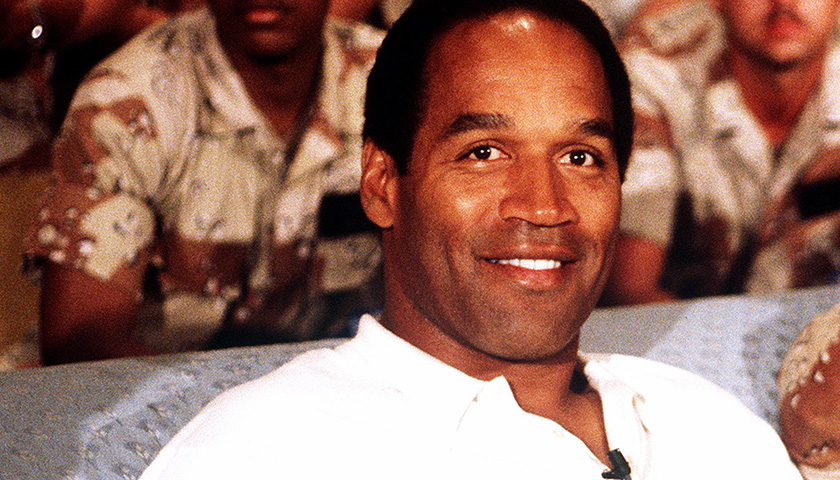
NBC Sports commentator and former professional football player O.J. Simpson sits with a group of servicemen to watch a Thanksgiving Day football game. Simpson is visiting U.S. troops who are in the region for Operation Desert Shield.

By Stacy M. Brown
NNPA Newswire Senior National Correspondent

@StacyBrownMedia

O.J. Simpson, a towering figure in both the sports world and the annals of American legal history, has lost his battle with cancer at the age of 76. His family confirmed his death in a statement issued early on Thursday, April 11.

“On April 10, our father, Orenthal James Simpson, succumbed to his battle with cancer,” read the statement shared by Simpson’s family. “He was surrounded by his children and grandchildren.”

Simpson’s life story, a blend of unparalleled athletic achievement and enduring controversy, began in San Francisco, California, on July 9, 1947. His rise to prominence began at the University of Southern California (USC), where his prowess as a college football star catapulted him into the national spotlight. His remarkable talent on the field, including a legendary game-winning touchdown against rival UCLA, solidified his status as one of the most electrifying athletes of his era.

Simpson’s professional career initially experienced difficulties after the Buffalo Bills selected him with the first overall pick in the 1969 NFL draft. However, under the guidance of coach Lou Saban, he flourished, achieving feats that would etch his name in football history.

Notably, Simpson’s record-breaking 1973 season, during which he became the first player to rush for 2,000 yards in a single NFL campaign, remains an indelible mark of his athletic prowess.

Off the field, Simpson’s magnetic personality and commercial appeal transcended sports, propelling him to a cultural icon. His groundbreaking endorsement deals, such as the memorable Hertz rental car campaign, revolutionized celebrity advertising and broadened his appeal to a diverse audience.

However, Simpson’s legacy became irrevocably entangled with controversy following the brutal murders of his ex-wife, Nicole Brown Simpson, and her friend, Ron Goldman, in 1994. The ensuing “Trial of the Century,” characterized by its intense media scrutiny and stark racial divisions, captivated the nation, and resulted in Simpson’s dramatic acquittal.

Despite winning the criminal case, Simpson’s life continued to be filled with upheaval, including his subsequent civil liability for the murders and his 2008 conviction on robbery and kidnapping charges.

In the following years, Simpson’s story remained a subject of fascination, inspiring numerous television adaptations and documentaries that sought to unravel the complexities of his life and legacy.

Filed Under: National News, Sports Tagged With: cancer, children, dies, football, grandchildren, O.J. Simpson, Trial of the Century

California Students to Receive Media Literacy Classes Under New Law

November 28, 2023 By MKE Community Journal Leave a Comment

Bill No. 873 will integrate media literacy content into the existing mathematics, science, and history-social science curriculum frameworks.

By Stacy M. Brown
NNPA Newswire Senior National Correspondent
@StacyBrownMedia
California has enacted a law mandating the inclusion of media literacy education in the K–12 curriculum, which state officials called a proactive approach to address the growing challenge of misinformation. The legislation, known as Bill No. 873, received approval from Gov. Gavin Newsom in October and is set to take effect in January 2024.
The bill, which Assemblymember Marc Berman, a Democrat representing San Mateo County in Northern California, spearheaded, emphasizes the urgent need for students to distinguish between fact and fiction, particularly in the digital age where misinformation has become more pervasive.
Bill No. 873 will integrate media literacy content into the existing mathematics, science, and history-social science curriculum frameworks. According to Berman, the objective is to empower students to navigate the complex online information landscape, fostering a generation equipped to evaluate and counteract misinformation critically.
In a statement posted on his official website, Berman emphasized the significance of incorporating media literacy into the educational framework. “Teaching media literacy is a key strategy to support our children, their families, and our society that are inundated with misinformation and disinformation on social media networks and digital platforms,” Berman stated.
The escalating levels of distrust in the media and the tangible consequences of online misinformation underscore the urgency of such education, the assemblyman stated. He pointed to the real-world impacts that have transpired due to the unchecked spread of misinformation, citing examples ranging from climate denial to vaccine conspiracy theories and even the January 6 attack on the United States Capitol.
According to the National Association for Media Literacy, media literacy builds upon traditional literacy and offers new forms of reading and writing. Media literacy empowers people to be critical thinkers and makers, effective communicators, and active citizens. “Our children live in a world of powerful 24/7 media. In addition to children’s exposure to traditional forms of media and advertisements like television, print (magazines, books), and billboards, new media has exploded in recent years. Over the last decade, there has been a drastic increase in the amount of time children and youth are engaging with media, particularly digital media,” officials at Media Literacy Now wrote on their website.
“Children ages 2 to 8 spend an average of two hours per day, children between 8 and 12 spend four to six hours, and adolescents over 12 years old spend an average of seven to nine hours per day, according to recent research.” Officials at the advocacy group, Media Literacy Now, noted that media is everywhere, and technology is a part of life. However, they stressed that, with children spending such large amounts of time online and in front of screens, they are exposed to messages and information that can hurt their health and well-being and prevent them from becoming empowered and engaged citizens. “The negative impact that media can have on our children is profound,” officials stated.

Filed Under: Education, Latest News Tagged With: advocacy, california, children, citizens, climate denial, communications, communicators, Conspiracy Theories, critical thinkers, curriculum, disinformation, Gov. Gavin Newsome, Jan. 6, literacy, mathematics, Media, Media Literacy Now, misinformation, reading, science, U.S. Capitol, vaccine, writing

  • Page 1
  • Page 2
  • Go to Next Page »

Primary Sidebar

MCJ WEEKLY

PREVIOUS EDITIONS

Go HERE for the Digital Archives

DR. TNT SCHOLARSHIP SPECIAL EDITION

CLICK THE IMAGE THE FULL EDITION

Newsletter Signup

The Milwaukee Community Journal (MCJ) and the Weekend Edition are distributed at a number of community churches; as is the current issue of Healthy Start. With many area churches closed for the next few weeks due to the coronavirus, your MCJ suggests you pick up your edition of the newspaper, Weekend Edition and Healthy Start at our offices, located at 3612 N. Martin Luther King Drive. We’re open from 10 a.m. to 4:30 p.m., Monday through Friday. You can still pick up the MCJ at several Walgreens and Pick n’ Save stores throughout the community, as well as city hall and the county courthouse.

Recent Posts

  • American Men Have Been In Crisis for Generations. A Remedy from 1879 Offers Hope
  • Online registration now open for 2026 Back to School Festival
  • Oakland Protesters Rally to Defend Haitian Immigrants and TPS
  • OPINION: 57,000 Empty Apartments and Not a Word of Apology – City Limits
  • ‘Choppin’ it up’ with a brotha about Crowley’s win, and why Black folks aren’t down with the Democratic Socialists!

CLASSIFIEDS

CLASSIFIEDS

Place your notice of divorce, name change, etc. in the Milwaukee Community Journal's Classifieds! Contact is at 414-265-5300

Follow Us

  • Facebook
  • Instagram
  • Twitter
  • YouTube

Tags

2016 election African Americans Alderman Khalif J. Rainey ALDERWOMAN CHANTIA LEWIS Alderwoman Milele A. Coggs annual Baylor College of Medicine Biden Black History Month Black press Boko Haram civil rights community coronavirus COVID-19 Dating Advice day Democrats diversity Donald Trump Education event Featured free George Floyd HuffPost Live Joe Biden Love & Sex Love and Relationships Mayor Tom Barrett mental health Milwaukee Repertory Theater naacp national NNPA pandemic racism report Republicans Reuters social media Trump Trump Administration What Is Working: Small Businesses White House

Categories

H5_WEDC1027_AA_300x250

Copyright © 2026 Milwaukee Community Journal