• Skip to primary navigation
  • Skip to main content
  • Skip to primary sidebar
  • About
  • Contact
  • Advertise

Milwaukee Community Journal

  • News
    • Local News
    • National
    • World
    • Political
  • Men Building Men
  • Lifestyle
    • Arts & Entertainment
    • Fashion
    • Culture
    • Religion
  • Economy
    • Small Business
    • Money
    • Entrepreneurship
  • Health
    • Family
    • Relationships
  • Education
  • Jobs
    • Housing
  • Scholarship Fund
You are here: Home / Archives for target

target

‘We’re Not Going Back’ Black Churches Confront Target

May 27, 2025 By MKE Community Journal Leave a Comment

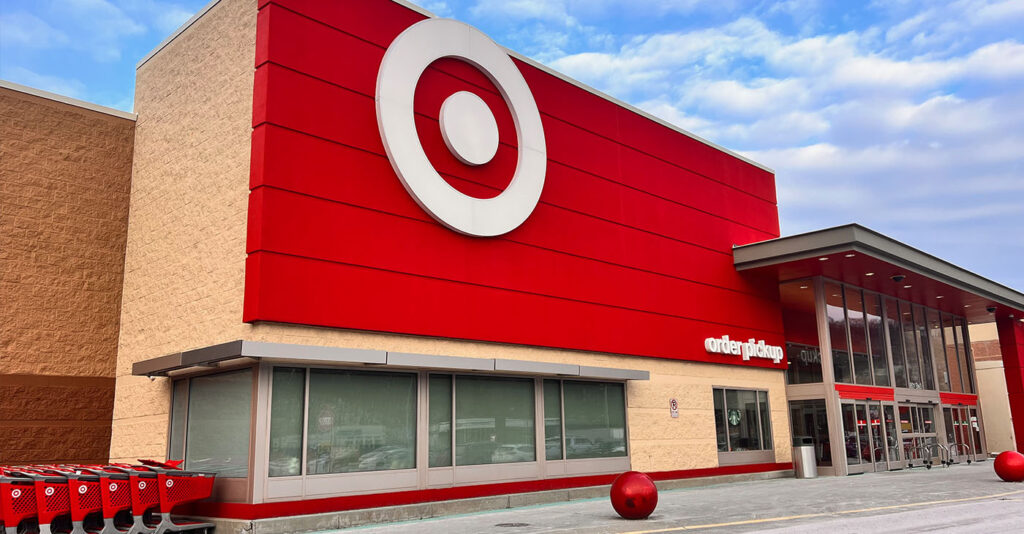
Target store in a sunny day in Plattsburgh in New York State on October 17/2024 (Photo by Arturo Rosenow)

By Stacy M. Brown
Black Press USA Senior National Correspondent

On the fifth anniversary of George Floyd’s murder, Rev. Dr. Jamal-Harrison Bryant led a national prayer protest targeting Target’s rollback of diversity, equity, and inclusion efforts. Dozens of churches joined in what Bryant called a “spiritual act of uprising,” staging nine-minute and 40-second demonstrations outside Target stores in honor of the time Floyd was pinned to the ground by police. “Five years ago, the CEO of Target said George Floyd could have been one of his employees and, with no pressure, made a pledge of $2 billion,” Bryant said during the protest in Conyers, Georgia. “To see mega-companies now walk away from diversity, equity, and inclusion is a stark contrast from where we were five years ago.” Laretta Wright, a protester at the demonstration, urged accountability. “If you’ve made a promise or a commitment to the people, that’s all we ask—that you follow through,” Wright demanded. “Don’t fall back and tell us to go back because we ain’t going back. We’re going forward.”

Bryant said 67 churches participated in the May 25 protests, organized as part of the ongoing Target Boycott. The movement began as the Target Fast and gained national momentum as the company pulled back on its DEI pledges. Target had promised to support Black-owned brands and increase Black representation within its workforce following Floyd’s death in Minneapolis, where the retailer is headquartered. Target has said the changes were part of a planned three-year cycle. Programs to increase representation and partnerships with Black businesses were quietly phased out, sparking outrage. CEO Brian Cornell met with civil rights leader Rev. Al Sharpton in April, who later called the conversation “constructive and candid.”

But Bryant and other leaders say the rollback, paired with the silence toward Black-owned media, speaks volumes. In a joint column, Dr. Benjamin F. Chavis Jr., president and CEO of the National Newspaper Publishers Association, and NNPA Chair Bobby R. Henry Sr. said they sent a formal letter to Cornell in October 2024 requesting investment in Black-owned newspapers. The letter received no response. “Silence, in the face of truth, is complicity,” they wrote. “Let us be clear: we will not shop where we are disrespected. Our dollars will not finance our own marginalization.”

Target reported a 2.8% drop in first-quarter sales to $23.8 billion and lowered its full-year forecast. Adjusted earnings fell nearly 36% to $1.30 per share, down from $2.03 last year. The company cited a challenging economic environment and announced internal leadership changes and a new acceleration office. “Black Press USA is in complete solidarity with Rev. Dr. Jamal Bryant, New Missionary Baptist Church, and the millions of Black church members across the nation who continue to be active and to engage in nonviolent protests against Target,” Chavis said. “Sunday was a glorious day that the Lord has made.”

Filed Under: Economy, Religion Tagged With: $2 billion pledge, acceleration office, Black church members, Black Press USA, Black-owned brands, Black-owned media, Bobby R. Henry Sr., boycott, CEO Brian Cornell, civil rights, complicity, Conyers Georgia, corporate accountability, DEI rollback, diversity, Dr. Benjamin F. Chavis Jr, economic environment, equity, Featured, fifth anniversary, first-quarter sales, follow through, George Floyd, Inclusion, investment, Laretta Wright, leadership changes, marginalized communities, mega-companies, Minneapolis, National Newspaper Publishers Association, national prayer protest, New Missionary Baptist Church, nine-minute and 40-second demonstration, NNPA, nonviolent protest, phased out programs, Police Brutality, Rev. Al Sharpton, REV. DR. JAMAL-HARRISON BRYANT, sales drop, silence, spiritual act of uprising, target, Target boycott, Target Fast, three-year cycle, workforce representation

Target CEO Attempts Damage Control After Weeks of Silence and Mounting Backlash

May 9, 2025 By MKE Community Journal Leave a Comment

Ross Township, USA. December 23, 2024 Target store on McKnight Road in Ross Township. Ross Township is adjacent to Pittsburgh’s northern border. Target Corporation is an American retail corporation that operates a chain of discount department stores. (Photo by Bg Walker)

By Stacy M. Brown
Black Press USA Senior National Correspondent

Target CEO Brian Cornell acknowledged in an email to employees this week that a months-long lapse in communication has created uncertainty. The retailer is grappling with falling foot traffic, public boycotts, and criticism over its retreat from diversity goals. According to the Minneapolis Star Tribune, Cornell’s message to staff admitted it has been “a tough few months.” It said media coverage, social media chatter, and internal conversations “may have left you wondering.” He insisted, however, that Target’s values have not shifted. “I recognize that silence from us has created uncertainty, so I want to be very clear: We are still the Target you know and believe in,” Cornell wrote. Since the beginning of the year, the retail giant has faced a storm of challenges. President Donald Trump’s tariffs on global imports have squeezed the company’s margins. Target’s decision to scale back its diversity, equity, and inclusion (DEI) initiatives prompted widespread backlash from Black leaders and organizations. “Black consumers helped build Target into a retail giant, and now they are making their voices heard,” said Dr. Benjamin F. Chavis Jr., president and CEO of the National Newspaper Publishers Association (NNPA). The NNPA is a trade association representing the 198-year-old Black Press of America. Earlier this year, the Black Press began a public education and selective buying campaign in response to Target abandoning its commitment to Black America. “If corporations believe they can roll back diversity commitments without consequence, they are mistaken,” Chavis stated.

In an email to Black Press USA, a Target spokesperson said “Target’s team members are the foundation of our success—they support our guests, strengthen the 2,000 communities we serve, and impact millions of lives nationwide. As we continue to run our business, it’s more important than ever to keep our team aligned on who we are and what we can achieve together.”  Target has lost a reported more than $15 billion in revenue this year, seen its stock price fall by as much as $27.27 per share, and is facing multiple lawsuits tied to its DEI policy changes. Cornell’s email still struck a tone of reassurance, calling the company’s values of “inclusivity, connection, drive” non-negotiable. “We’re committed to sharing more of that impact with you and our guests because it reinforces our values and shows the real heart of our team,” he wrote. Still, retail analysts were sharply critical. Neil Saunders, managing director at GlobalData Retail, said the email fails to address the root causes of public concern. “They say, ‘Our products and experience are second to none.’ Well, actually, no, they’re not. That’s not true anymore,” he said. According to data from Placer.ai, foot traffic to Target stores has dropped for 11 straight weeks, with only a slight uptick during the weeks of April 14 and April 21. Overall, foot traffic declined 3.3% in April.

In recent weeks, Cornell met with Rev. Al Sharpton and leaders of the boycott movement to discuss Target’s DEI pullback. He also met with Trump to outline the damaging impact of tariffs on retailers. Neither meeting was believed to have been mentioned in his message to employees. Rev. Jamal Bryant, who launched a national Target Fast to protest the company’s direction, has called for continued mobilization and accountability. Retail consultant Carol Spieckerman said the CEO’s email failed to take responsibility. “His email acknowledges but doesn’t take responsibility for any of the concerns and controversies surrounding the company,” she said. “The tone implies that things are happening around and to Target that are out of its control.” Both Spieckerman and Saunders described the message as unfocused. “It’s a really jumbled email,” Saunders said. “And you know if it’s come from Brian Cornell, it’s probably been through about 30 different people and various PR teams, and it still comes out as this big, jumbled mess.”

Filed Under: Economy Tagged With: $15 billion revenue loss, accountability, Benjamin F. Chavis Jr., Black Leaders, Black Press of America, boycott movement, Carol Spieckerman, CEO Brian Cornell, communication lapse, connection, corporate values, DEI pullback, DEI retreat, diversity, Donald Trump, drive, employee email, equity, falling foot traffic, Featured, GlobalData Retail, Inclusion, inclusivity, lawsuits, margins, Minneapolis Star Tribune, National Newspaper Publishers Association, Neil Saunders, NNPA, Placer.ai, public boycotts, retail analysts, retail consultant, Rev. Al Sharpton, Rev. Jamal Bryant, selective buying campaign, stock price drop, target, Target Fast, tariffs

A Concern for Shortages of Essential Goods

May 2, 2025 By MKE Community Journal Leave a Comment

Essential shortages in stores

By April Ryan

“Anything that raises consumer prices on necessities will hit Black Americans hard, says Marc Morial, President and CEO of the National Urban League. This week, a Senate resolution to reverse President Trump’s tariffs on imports failed in a vote of 49-49. Rhode Island Democratic Senator Sheldon Whitehouse missed the vote as he returned from South Korea, and Republican Mitch McConnell did not vote. According to McConnell’s staffers, he has been “consistent in opposing tariffs.” Recently, Target and Walmart’s CEOs signaled to President Trump that their store shelves could soon be empty due to tariffs. Marc Morial, President and CEO of the National Urban League, has already heard of store shelves becoming bare as the shortage could resemble the problems like the COVID supply chain chinks a few years ago.

After hearing from economists, Morial says, “We’re going to have empty shelves by mid-early to mid-May because what’s happened is all of the vessels from China are turning around and going back.” So many products on store shelves are from around the world, including bananas and Mangos. The Main Suppliers of Fresh Bananas to the US market are Guatemala, Ecuador, Costa Rica, Colombia, and Honduras. In 2010, these five countries shipped 94 percent of U.S. banana imports. 86% of the mangos imported to the United States are imported from Mexico. Regarding essential items, Morial contends, “Think about water, think about diapers. Think about toilet tissue, think about eggs, and paper towels, a lot of these paper products come from Canada…Other things come from China. Those things are not made in the United States…Because the type of wood that is used for toilet paper is more plentiful in Canada, is what I understand.”

The expectation is that tariffs will make many items more expensive, potentially leading to price gouging and the sale of items on the black market. Meanwhile, Morial has also ranked the number one item Black Americans consume. Grits are milled chiefly in the southern United States. Second, on the list is anything for hair manufactured in the United States, Africa, China, and the United Kingdom.

Filed Under: Economy, National News Tagged With: bananas, Black consumers, black market, CANADA, china, Colombia, consumer prices, Costa Rica, diapers, Ecuador, Eggs, empty shelves, Featured, grits, Guatemala, hair products, Honduras, mangos, Marc Morial, Mexico, Mitch McConnell, National Urban League, paper products, paper towels, President Trump, price gouging, Senate resolution, Sheldon Whitehouse, supply chain, target, tariffs, toilet paper, Walmart, water

Sharpton Secures Meeting with PepsiCo on Equity Rollback

April 16, 2025 By MKE Community Journal Leave a Comment

Rev. Al Sharpton speaking at Metropolitan AME Church Washington, D.C. (Wikimedia Commons)

By Stacy M. Brown
BlackPressUSA.com Senior National Correspondent

Rev. Al Sharpton said Monday that he will meet with PepsiCo CEO Ramon Laguarta this week following the company’s decision to roll back key diversity, equity, and inclusion initiatives. The meeting comes just weeks after Sharpton warned of a potential boycott in a letter dated April 4, where he condemned PepsiCo’s retreat from its DEI commitments. PepsiCo, whose portfolio includes Pepsi, Gatorade, Doritos, Mountain Dew, and Lay’s, informed employees in February that it would no longer set diversity goals for its managerial ranks or supplier base. The announcement drew swift backlash from civil rights advocates.

“You have walked away from equity,” Sharpton wrote in his letter to Laguarta. “Removing DEI hiring and retention goals and dismantling community partnerships with minority organizations are clear signals that political pressure has outweighed principle.” A spokesperson for PepsiCo did not respond to a request for comment. The National Action Network, which Sharpton founded and leads, has been pressuring major corporations to uphold DEI policies in the face of growing political and legal attacks. Since President Donald Trump’s return to the White House, numerous companies, including Walmart and Target, have scaled back internal programs to increase diversity and address systemic discrimination.

Trump has also eliminated DEI efforts across federal agencies and warned schools to do the same or risk losing federal funding. Sharpton said he plans to press Laguarta for clarity on the company’s DEI commitments and what steps, if any, PepsiCo still intends to take to support equal opportunity in hiring and contracting. In January, Sharpton launched a “buy-cott” urging consumers to shop at Costco in recognition of its continued investment in DEI, setting a contrast with companies pulling back. “That is the only viable tool that I see at this time, which is why we’ve rewarded those that stood with us,” Sharpton said.

Filed Under: Latest News, National News Tagged With: April 4 letter, boycott warning, buy-cott, CEO Ramon Laguarta, civil rights backlash, community partnerships, contracting, corporate DEI retreat, corporate responsibility, Costco, DEI investment, DEI rollback, Diversity Equity and Inclusion, equal opportunity, federal agency DEI cuts, hiring practices, managerial diversity goals, minority support, National Action Network, PepsiCo, political pressure, Rev. Al Sharpton, school funding threats, Sharpton meeting, supplier diversity, systemic discrimination, target, Trump Administration, Walmart

Target Continues to Pay the Price for Breaking Promise to Black America

April 4, 2025 By MKE Community Journal Leave a Comment

Houston, Texas, USA – March 13, 2022: A Target store in Houston, Texas, USA on March 13, 2022.

By Stacy M. Brown
BlackPressUSA.com Senior National Correspondent

Target is losing more than its commitment to equity, it’s losing customers. For the eighth consecutive week, shoppers have turned away from the retail giant following its decision to dismantle its diversity, equity, and inclusion (DEI) program in January. New data from Placer.ai shows store visits during the week of March 17 fell by 5.7% compared to the same time last year. That follows a 7.1% decline the week before, bringing the average drop over the past two months to 6.2%. The fallout has been swift and steady. Target’s quiet retreat from DEI—after years of vocal support for racial and social justice and a multi-billion-dollar pledge—triggered an immediate backlash. Faith leaders, civil rights organizations, and everyday consumers responded with public pressure and calls to action.

Leading the charge is the Rev. Jamal Bryant, whose “Target Fast” boycott encouraged shoppers to avoid the chain throughout Lent. The effort surpassed its original goal of 100,000 participants, with more than 150,000 people now participating. The boycott is scheduled to end on Easter Sunday. The National Newspaper Publishers Association (NNPA), representing the Black Press of America, launched a National Public Education and Selective Buying Campaignto help guide African Americans in wielding their $2 trillion in annual spending power. The NAACP issued a national consumer advisory, warning that Target’s rollback is part of a broader, intentional retreat from DEI by major corporations. “We encourage you to spend your money where you’re respected, support Black-owned businesses, and demand businesses prioritize people over profit,” NAACP officials said. “Above all, we must continue to advocate for policies that ensure people of color, women, veterans, those with a disability, and all protected groups have equal access to opportunities across the country.”

Following George Floyd’s murder in 2020, Target Corp. was among a list of companies making specific diversity pledges. Target vowed to spend $2 billion with Black-owned businesses by 2025, increase its Black workforce by 20%, and establish a Racial Equity Action and Change (REACH) committee to advance racial equity within the company and beyond. It has reneged on those promises, making Target a focal point of protests. While Target remains silent on its declining traffic, the contrast with its competitors is glaring. Costco, which maintained its DEI commitments despite political attacks, saw a 5.2% year-over-year increase in foot traffic during the same week—its 13th straight week of growth.

Walmart and McDonald’s—both of which had seen multi-week declines like Target—also saw their numbers shift slightly for the week of March 17. Walmart posted a modest 0.3% increase in foot traffic, while McDonald’s reported a 2% increase. But unlike Target, neither had matched its aggressive stance on racial justice—or its equally visible retreat. Over the last eight weeks, Walmart’s average weekly foot traffic has been down 1.6%, and McDonald’s has seen a 3.6% average drop. Target’s 6.2% average decline puts it at the center of growing consumer frustration—and organized resistance. “It’s been eight weeks, and the numbers don’t lie,” Deja Monet wrote for NewsBreak. “Target faces foot traffic decline for the eighth week after cutting off DEI programs, and the backlash shows no signs of slowing. With a massive boycott underway, declining sales, and silence from the brand’s top brass, Target is walking a tightrope between corporate appeasement and consumer fallout.”

Filed Under: Economy, Latest News, National News Tagged With: boycott, brand reputation, Business Strategy, consumer backlash, corporate pledges, corporate responsibility, Costco, customer loyalty, DEI, diversity, economic impact, equity, Featured, foot traffic decline, George Floyd, Inclusion, McDonalds, naacp, National Newspaper Publishers Association, public pressure, racial equity, Racial Justice, REACH committee, retail competition, Rev. Jamal Bryant, selective buying campaign, Spending Power, target, Target Fast, Walmart

DEI Rollback Costs Target Billions and Loyalty

March 28, 2025 By MKE Community Journal Leave a Comment

By Stacy M. Brown
BlackPressUSA.com Senior National Correspondent

Target continues to face mounting financial and reputational fallout after reversing course on diversity, equity, and inclusion (DEI) initiatives. The retail giant has lost more than $12.4 billion in revenue, seen its stock plunge by $27.27 per share, and is grappling with multiple lawsuits linked to its shifting DEI policies. Separate but powerful actions from Black-led organizations and faith leaders have intensified pressure on the company. Rev. Jamal Bryant launched a national Target Fast, calling for continued community mobilization. Meanwhile, the National Newspaper Publishers Association (NNPA) and the NAACP initiated public education and selective buying campaigns. While distinct in approach, the collective efforts have amplified scrutiny and economic consequences for Target. “Black consumers helped build Target into a retail giant, and now they are making their voices heard,” said Benjamin F. Chavis Jr., president and CEO of the NNPA. “If corporations believe they can roll back diversity commitments without consequence, they are mistaken.”

Early data from analytics firms Placer.ai and Numerator confirms a decline in consumer support. Numerator found that Black and Hispanic households are reducing their visits to Target at the highest rates. Placer.ai reported that on the national blackout day last month, Target saw an 11 percent decline in store traffic compared to average Friday visits. Since the company’s January 24 DEI reversal, Placer.ai data shows Target’s overall foot traffic has fallen every week. In contrast, Costco has gained ground. The warehouse chain rejected a shareholder proposal to weaken its diversity programs and stayed firm in its DEI stance. Analysts say Costco’s consistency and longstanding commitment to high wages and strong employee benefits may attract consumers frustrated with Target’s retreat. Costco’s shares have outperformed those of Walmart and Target over the same period. Walmart has also seen a dip in foot traffic, though not as sharp as Target.

While grassroots boycotts are not always financially damaging in the long term, Target’s situation may prove different. “Boycotts put a ‘negative spotlight’ on the company that can have reputational consequences,” Brayden King, professor at Northwestern University’s Kellogg School of Management, told Forbes. He noted that consumer trust, closely tied to corporate reputation, plays a critical role in shopping habits. In addition to its woes, Target issued a string of recalls in 2025 involving products sold on shelves due to undeclared allergens and injury hazards. Affected items included Gerber Soothe N Chew Teething Sticks, Dorel Safety 1st Comfort Ride and Magic Squad child car seats, Nuby stroller fans, Baby Joy highchairs, Chomps beef and turkey sticks, and Pearl Milling Company pancake mix. Rev. Bryant said Target Fast has now mobilized more than 150,000 participants and persuaded over 100 Black vendors to withdraw their products from Target. He urged continued focus and unity in holding the company accountable. “It is critical that Black people can’t afford to get A.D.D; we can’t taper off and lose synergy. It’s important that people stay the course and keep amplifying our voices because it is being heard from Wall Street to Main Street,” Bryant said. He added, “No, I’m now committed and grateful.”

Filed Under: Economy, National News Tagged With: accountability, Baby Joy high chairs, Black consumers, Black households, Black vendors, Black-led organizations, Chomps beef sticks, Chomps turkey sticks, community mobilization, consumer support decline, consumer trust, corporate diversity commitments, corporate reputation, Costco, DEI, diversity, Dorel Safety 1st Comfort Ride, employee benefits, equity, faith leaders, Featured, financial fallout, Gerber Soothe N Chew Teething Sticks, grassroots boycotts, high wages, Hispanic households, Inclusion, injury hazards, lawsuits, Magic Squad child car seats, Main Street, naacp, national blackout day, National Newspaper Publishers Association, NNPA, Nuby stroller fans, Numerator, Pearl Milling Company pancake mix, Placer.ai, product recalls, public education, reputational fallout, Rev. Jamal Bryant, revenue loss, selective buying campaigns, shareholder proposal, stock plunge, store traffic decline, synergy, target, Target Fast, undeclared allergens, unity, Wall Street, Walmart

24 Hour Blackout Friday, February 28

February 28, 2025 By MKE Community Journal Leave a Comment

The African American community alone has an almost two Trillion dollar buying power and when Black and brown communities are combined it is an almost 5 trillion dollar buying power.

Morial remembers the significance of boycotts in the 60s with the understanding that “the use of selective purchasing is meant to demonstrate the power of consumers to support businesses that share their values and is inspired by the lessons of the Montgomery Bus Boycott.

For 13 months African Americans refused to use any bus services because of the arrest of Rosa Parks for sitting in the white Section of a public bus in 1955.  The economic impact was felt as 90% of Black residents stayed off the buses.  The unexpectedly highly publicized grassroots boycott ended with the U.S. Supreme Court ruling that segregation on public buses is unconstitutional.

As the emergence of exclusionary practices is now mainstreamed, “Increasingly, community leaders and people are looking for new ways to flex their power beyond and in addition to voting and political power,” says Morial, the former Mayor of  New Orleans.

Currently, there are active protests against Target and its anti-DEI actions that have incensed many rights leaders and other communities extracted from its diversity programming for the story.  Also, there is a new effort calling for a religious fast from Target for Lent in March.

There is an expectation President Donald Trump will offer more comments about the anti-DEI actions the administration will be taking in his address to Congress from the well of the House next week.

Morial advises Americans particularly African Americans to “pay attention to the consumer spending numbers and consumer confidence index numbers” as these boycotts and economic blackouts continue suggesting they are indicators that the movements are or are not making a difference.

Filed Under: Economy Tagged With: #blackout, boycott, target

Target Caught in DEI Crossfire as Lawsuits and Boycotts and Actions Mount

February 25, 2025 By MKE Community Journal Leave a Comment

By Stacy M. Brown

NNPA Newswire Senior National Correspondent

@StacyBrownMedia

Target Corporation, which recently scaled back its diversity, equity, and inclusion (DEI) initiatives, is facing financial consequences, community backlash, and new legal challenges from both sides of the political spectrum. The retail giant’s decision to retreat from its DEI commitments and Pride Month merchandise has drawn conservative-led lawsuits while also fueling boycotts and economic pressure from civil rights groups.

Florida Attorney General James Uthmeier and America First Legal, founded by former President Trump adviser Stephen Miller, have filed a lawsuit against Target. The suit, brought on behalf of a Florida board overseeing state pensions, alleges the company failed to disclose the financial risks associated with its DEI programs and 2023 Pride Month collection. The legal action is the latest in a wave of conservative attacks on corporate diversity efforts, aligning with former President Donald Trump’s push to dismantle DEI policies in both government and private sectors.

At the same time, Target’s DEI retreat has provoked backlashes from civil rights groups, Democratic leaders, and even the heirs of one of Target’s founders, who argue that diversity is good business and should not be abandoned under political pressure. The company’s decision to reduce minority hiring targets and discontinue reports to diversity-focused organizations led to an 8.7% drop in its stock value. Data from Placer.ai shows store traffic decreased by 4% following Trump’s executive order banning federal DEI initiatives, with an additional 9% decline the following week. Walmart experienced a dip of less than 3% during the same period.

In Minneapolis—Target’s headquarters and the city where George Floyd’s murder sparked national protests—civil rights lawyer Nekima Levy Armstrong urged consumers to boycott the retailer. “We thought Target would stand firm in its values,” Armstrong told reporters at a news conference. “Instead, they bowed to the Trump administration. We will not step back.”

Jaylani Hussein, executive director of the Minnesota chapter of the Council on American-Islamic Relations, said the company should be held accountable for turning its back on DEI. “If you were moved by George Floyd’s murder to seek justice, it’s time to boycott Target,” Hussein told PBS.

The boycott movement has gained traction, with local Black Lives Matter chapters participating in events where activists cut up their Target credit cards. Organizers have encouraged consumers to shop at companies like Costco, which recently reaffirmed its DEI commitments.

The National Newspaper Publishers Association (NNPA), representing the Black Press of America, and civil rights organizations like the NAACP have launched campaigns to inform Black consumers about corporate retreats from diversity initiatives. “Black Americans spend $2 trillion annually. We must reconsider supporting businesses that disregard our contributions,” said NNPA President and CEO Dr. Benjamin F. Chavis Jr. NNPA Chairman Bobby R. Henry Sr. vowed that the Black Press would hold corporations accountable. “We will not be silent while corporations reverse progress that directly affects Black communities,” Henry asserted.

Rev. Jamal Bryant, pastor of New Birth Missionary Baptist Church in Atlanta, has called for a 40-day “economic fast” targeting Target. “Black people spend $12 million a day at Target,” Bryant stated during an appearance on Let It Be Known. “We’re focusing on Target first because of their broken promises to our community.” The campaign, which coincides with Lent, has drawn over 50,000 participants within a week at targetfast.org.

Target now finds itself under pressure from both conservative and progressive forces. After previously positioning itself as a leader in corporate diversity, the company has been forced into a balancing act that has left it vulnerable on all sides.

“We encourage you to spend your money where you’re respected, support Black-owned businesses, and demand businesses prioritize people over profit,” said Keisha Bross, financial strategist at the NAACP.

Filed Under: Economy, Latest News, National News Tagged With: boycott, DEI, Jamal Bryant, lawsuit, Minneapolis, naacp, NNPA, Protests. black press, target

Primary Sidebar

MCJ WEEKLY

PREVIOUS EDITIONS

Go HERE for the Digital Archives

DR. TNT SCHOLARSHIP SPECIAL EDITION

CLICK THE IMAGE THE FULL EDITION

Newsletter Signup

The Milwaukee Community Journal (MCJ) and the Weekend Edition are distributed at a number of community churches; as is the current issue of Healthy Start. With many area churches closed for the next few weeks due to the coronavirus, your MCJ suggests you pick up your edition of the newspaper, Weekend Edition and Healthy Start at our offices, located at 3612 N. Martin Luther King Drive. We’re open from 10 a.m. to 4:30 p.m., Monday through Friday. You can still pick up the MCJ at several Walgreens and Pick n’ Save stores throughout the community, as well as city hall and the county courthouse.

Recent Posts

  • American Men Have Been In Crisis for Generations. A Remedy from 1879 Offers Hope
  • Online registration now open for 2026 Back to School Festival
  • Oakland Protesters Rally to Defend Haitian Immigrants and TPS
  • OPINION: 57,000 Empty Apartments and Not a Word of Apology – City Limits
  • ‘Choppin’ it up’ with a brotha about Crowley’s win, and why Black folks aren’t down with the Democratic Socialists!

CLASSIFIEDS

CLASSIFIEDS

Place your notice of divorce, name change, etc. in the Milwaukee Community Journal's Classifieds! Contact is at 414-265-5300

Follow Us

  • Facebook
  • Instagram
  • Twitter
  • YouTube

Tags

2016 election African Americans Alderman Khalif J. Rainey ALDERWOMAN CHANTIA LEWIS Alderwoman Milele A. Coggs annual Baylor College of Medicine Biden Black History Month Black press Boko Haram civil rights community coronavirus COVID-19 Dating Advice day Democrats diversity Donald Trump Education event Featured free George Floyd HuffPost Live Joe Biden Love & Sex Love and Relationships Mayor Tom Barrett mental health Milwaukee Repertory Theater naacp national NNPA pandemic racism report Republicans Reuters social media Trump Trump Administration What Is Working: Small Businesses White House

Categories

H5_WEDC1027_AA_300x250

Copyright © 2026 Milwaukee Community Journal