• Skip to primary navigation
  • Skip to main content
  • Skip to primary sidebar
  • About
  • Contact
  • Advertise

Milwaukee Community Journal

  • News
    • Local News
    • National
    • World
    • Political
  • Men Building Men
  • Lifestyle
    • Arts & Entertainment
    • Fashion
    • Culture
    • Religion
  • Economy
    • Small Business
    • Money
    • Entrepreneurship
  • Health
    • Family
    • Relationships
  • Education
  • Jobs
    • Housing
  • Scholarship Fund
You are here: Home / Archives for New Orleans

New Orleans

The Violence Trump Claims to Fear Occurs Mostly in Red States

September 8, 2025 By MKE Community Journal Leave a Comment

Crime scene barricade covering.

By Stacy M. Brown
Black Press USA Senior National Correspondent

Donald Trump continues to attack cities and jurisdictions heavily populated by minorities, often painting them as crime-ridden and unsafe despite evidence showing overall declines in many categories of crime. Nowhere is this tension clearer than in Washington, D.C., where residents face relentless scrutiny from Trump while Red States — many with far less diversity — quietly struggle with some of the highest murder rates in the nation.

The District of Columbia recorded the nation’s highest murder rate in 2023 at 39 per 100,000 residents, with 265 murders. Despite local efforts to address violence, Trump routinely depicts the city as unlivable. To many residents, the greater tragedy is not just the crime itself but the reality that the capital of the United States now looks like an occupied third-world country, with National Guard and federal troops visibly stationed throughout the city. Washingtonians, who have already been denied full congressional representation, have become political pawns in Trump’s rhetoric. What Trump avoids mentioning is that several Republican-led states top the list of the deadliest places. Louisiana had a murder rate of 14.5 per 100,000, recording 663 killings in 2023. New Mexico, Alabama, Tennessee, and Arkansas — all governed by Republicans in recent years — also posted murder rates higher than 9 per 100,000 residents.

In Missouri, another GOP stronghold, the murder rate stood at 9.1 per 100,000 with 564 murders, disproportionately concentrated in cities like St. Louis and Kansas City. South Carolina, Alaska, and Georgia each ranked high, while Mississippi, often touted by conservatives as a bastion of “traditional values,” has at times led the nation in murder rates. Meanwhile, states with larger minority populations that Trump targets — including Illinois, Pennsylvania, and Maryland — often have lower murder rates than many of these Red States. Illinois, home to Chicago, recorded a rate of 6.56 per 100,000, below Alabama, Tennessee, and Arkansas.

Critics argue this is no accident. Trump’s fixation on minority-heavy jurisdictions is part of a long-standing strategy of scapegoating urban areas with large Black and Latino populations, while sidestepping the systemic problems facing states where his support is strongest. “Murders were far more common in [Mississippi] than they were nationwide,” the World Population Review reported, with Louisiana, Alabama, Missouri, and Arkansas following close behind. The report’s numbers show that while Trump fixates on minority-heavy cities, the deadliest conditions are playing out in Red States that rarely draw his attention. “Murders are disproportionately concentrated in urban areas, especially in New Orleans and Baton Rouge,” the researchers concluded.
Filed Under: Latest News, National News Tagged With: 000, 14.5 per 100, 2023, 265 murders, 39 per 100, 564 murders, 6.56 per 100, 663 murders, 9.1 per 100, Alabama, Alaska, Arkansas, Baton Rouge, Black populations, blue states, chicago, congressional representation, crime rates, deadly conditions, Donald Trump, Featured, federal troops, Georgia, Illinois, Kansas City, Latino populations, Louisiana, Maryland, minorities, Mississippi, Missouri, murder rate, National Guard, New Mexico, New Orleans, Pennsylvania, political rhetoric, red states, Republican-led states, scapegoating, South Carolina, St. Louis, systemic problems, Tennessee, traditional values, urban areas, Washington D.C., World Population Review

Black America Celebrates African Descent Heritage of Pope Leo XIV

May 9, 2025 By MKE Community Journal Leave a Comment

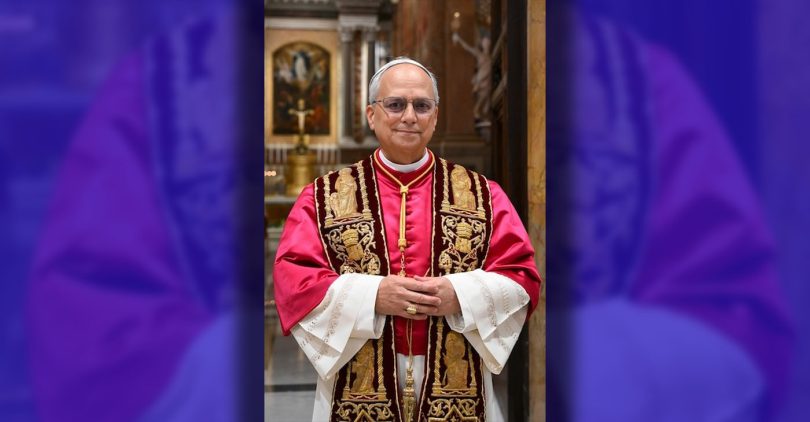
Pope Leo XIV (Wikimedia Commons / Photo by Vatican Media)

By Stacy M. Brown
Black Press USA Senior National Correspondent

Black America is taking pride in a truth shaking up the Vatican and resonating through the streets of New Orleans: Pope Leo XIV—formerly Cardinal Robert Prevost of Chicago—has Black and Creole roots. The Pope’s factual anthropological roots are not just symbolic. According to genealogist Jari Honora, his maternal lineage traces directly to the Black community of New Orleans’ 7th Ward, with family ties to Haiti, and census records identifying his ancestors as “Black” or “Mulatto.” “By the Europeans’ own ‘1/8th’ rules, we have a Black Pope,” noted author Elie Mystal declared. “Anyway, Pope’s grandfather is Haitian. We kind of got a Black Pope. ‘End Woke’ is not gonna be happy about this.” Further, New Orleans historian Jari Christopher Honora also speaking to the National Catholic Reporter and Black Catholic Messenger, detailed how the pope’s grandparents married in 1887 at Our Lady of the Sacred Heart Church on Annette Street in New Orleans before migrating north. His mother, Mildred Martínez, was the first child in the family born in Chicago. “The Holy Father’s ancestors are identified as either Black or Mulatto,” Honora said.

The Chicago Tribune and New York Times also reported on Pope Leo’s mixed-race background and Creole lineage, noting that his election marks a defining moment in the Church’s evolving identity. “As a Black man, a proud son of New Orleans, and the U.S. Congressman representing the very 7th Ward neighborhood where our new Pope’s family hails from, I am bursting with pride today,” said Rep. Troy Carter. “This is history! The first American Pope, with Creole and Haitian roots, rising from the streets of New Orleans to the Vatican. As a Xavier University alum, I know how deeply faith and resilience run in our community. We celebrate this moment—with joy, with prayers, and with pride.” Former New Orleans Mayor Marc Morial called Leo XIV’s background “universal,” saying, “Here’s an American whose ministry was in Peru, who has roots in the American South and also ancestry in the American Black community.” Leo XIV is a member of the Augustinian Order, named after the African theologian St. Augustine of Hippo. His election came from a conclave in which two other leading contenders—Cardinal Peter Turkson of Ghana and Cardinal Fridolin Ambongo Besungu of the Democratic Republic of Congo—were also men of African descent.

But Leo XIV stood apart—not just as the first pope from the U.S. but as one known for his outspokenness on racial justice, immigrant rights, gun reform, and the abolition of the death penalty. TIME Magazine reported that his selection represented a Vatican rebuke of efforts by wealthy Americans and political operatives aligned with Donald Trump to influence the papal outcome. Known in Rome as “The Latin Yankee,” Leo XIV used his verified X account (@drprevost) to amplify criticism of Trump-era immigration policies, often reposting commentary from respected Catholic figures. The New York Post reported that his last post before his election was a retweet of Catholic journalist Rocco Palmo slamming Trump’s alliance with El Salvador’s President Nayib Bukele over migrant deportations. Back in 2017, the Roman Catholic leader also reposted a message quoting Chicago Archbishop Blase Cupich, calling Trump’s refugee bans “a dark hour of US history.”

Though Trump offered lukewarm congratulations from the White House driveway, his far-right allies were quick to lash out. Laura Loomer tweeted, “WOKE MARXIST POPE,” calling Pope Leo “just another Marxist puppet in the Vatican.”But outside the MAGA echo chamber, in Black communities across the globe, the emotion is pride. “The pope is Black,” journalist Clarence Hill Jr. said bluntly. And that means something in the Black neighborhoods of Chicago and the Creole corridors of New Orleans. Many said it means representation, resilience, and the reshaping of history at the highest level of the Catholic Church. “We celebrate this moment—not because it erases the struggles of our past, but because it affirms that our faith, our heritage, and our presence matter,” Rep. Carter said. “This is history, and it belongs to all of us.” The. Reverend Dr. Benjamin F. Chavis, Jr. affirmed, “On behalf of the Black Press of America as the authentic voice of 50 million African Americans and millions more throughout the African diaspora, we join to celebrate Pope Leo XVI, a world leader of African descent who speaks truth to power with courage and grace.”

Filed Under: Latest News, Religion, World News Tagged With: @drprevost, 7th Ward, African Americans, African descent, African diaspora, American South, Annette Street, Augustinian Order, Black America, Black Catholic Messenger, black community, Black Pope, Black Press of America, Black roots, Cardinal Fridolin Ambongo Besungu, Cardinal Peter Turkson, Cardinal Robert Prevost, Catholic Church, Catholic journalist Rocco Palmo, chicago, Chicago Archbishop Blase Cupich, Chicago Tribune, Church identity, Clarence Hill Jr., conclave, courage, Creole lineage, Creole roots, death penalty abolition, Democratic Republic of Congo, Donald Trump, Elie Mystal, faith, Featured, genealogist Jari Honora, grace, gun reform, Haiti, immigrant rights, Laura Loomer, MAGA, Marc Morial, Mildred Martínez, mixed-race background, Mulatto, National Catholic Reporter, New Orleans, New York Times, Our Lady of the Sacred Heart Church, Pope Leo XIV, Pope Leo XVI, Racial Justice, refugee bans, Rep. Troy Carter, representation, resilience, Reverend Dr. Benjamin F. Chavis Jr., St. Augustine of Hippo, The Latin Yankee, Time Magazine, truth to power, Vatican, Vatican rebuke, woke Marxist pope, world leader, X account, Xavier University

From Head Start to HBCU to Harvard: One Man’s Story

January 14, 2025 By MKE Community Journal Leave a Comment

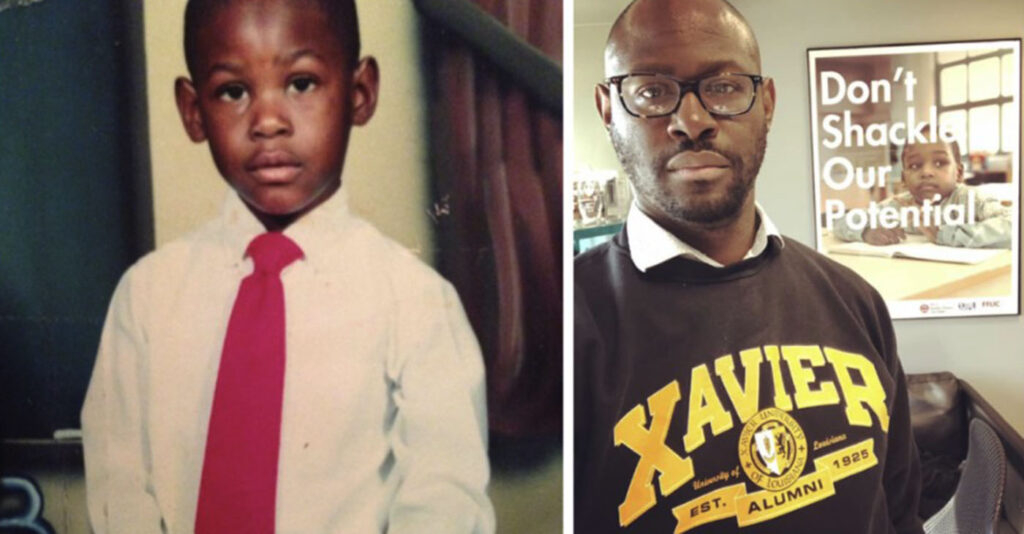
Victor Jones as a student (left) and a recent photo (right)

By National Head Start Association

Victor Jones graduated from Head Start over 30 years ago. Since then, Victor has built a career around his dedication to fighting for children, a passion he credits to his early education in Head Start. He has translated the Head Start mission into his work, first as a kindergarten teacher and today as an accomplished social justice attorney. Victor’s commitment to lifelong learning and his everyday efforts to make the world a more equitable place for children make him a true inspiration for the Head Start community. Victor shared his story with the National Head Start Association.

We are excited to learn about your Head Start story, Victor! When and where did you attend Head Start?

I’m a 1989 graduate of West Tampa Head Start, located in Tampa, Florida. My mother and I only lived in Tampa for two years, and these were the two years I attended Head Start. Thereafter, we returned to where I was born and raised, in Pascagoula, Mississippi.

Do you have any memories from your time in Head Start? Favorite activities, classmates, teachers?

I remember my class was always out and about — going on field trips to Busch Gardens to see the animals, going to the park, taking trips to the grocery store, and learning about fruits and vegetables. I also remember the times when doctors would visit us and check our eyes, ears and hearts, and I’ll never forget the day a giant toothbrush walked into our classroom, and we learned about the importance of dental hygiene. I still remember a few of my classmates’ names, though this was 30 years ago.

I can also still picture the uniform we had to wear on field trip days — it was a red shirt with an image of a panda bear hugging a bamboo tree, with black shorts or pants, and a black visor. And for the strangest reason, I remember that my classmates and I had to learn the song “Shower Me With Your Love” by an R&B group named “Surface,” as part of our graduation ceremony. The few times I’ve heard that song, I immediately think of my time in Head Start. Head Start was also one of the very, very few instances from my pre-K to 12th-grade journey in which I was taught by teachers who looked like me. I think having such vivid memories of my experiences in Head Start is a testament to just how positively impactful the program was for me.

How do you think Head Start impacted your later school years? Or even your goals and career accomplishments beyond school?

Head Start directly impacted my professional trajectory. Because of the program, I’ve always wanted to serve children in some capacity. Before practicing children’s rights and disability law, I was a public-school kindergarten teacher!

What did your educational and career journey that led to your current position look like?
After graduating from high school in Mississippi, I attended Xavier University of Louisiana, a historically Black college located in New Orleans, where I majored in literature and double minored in history and political science. I then received a master’s degree in education from Harvard University. I then taught kindergarten, and, thereafter, returned to New Orleans to attend law school at Loyola University. While in law school, I took courses in civil rights and child advocacy. I spent six years as a private practice attorney at multidisciplinary law firms in New Orleans, and then, in 2018, I returned to my original passion for serving children as an attorney representing their interests.

Victor, what advice do you have for current Head Start children and families?
Know that your child’s involvement in Head Start will be the best investment in their educational experience that you can offer them. The holistic approach to learning — physical care for self, care for your peers, and learning how to exist in the world around you, is an approach that I, as a former early childhood educator, can say is unique. I’m now the father of two daughters and I always say that I wish that they were able to have received a Head Start education like I did.

Anything else you would like to share with the Head Start community?

I always say that I went from “Head Start to HBCU to Harvard.” I’m eternally grateful for Head Start because it shaped me into someone who aspires to be a fierce advocate for marginalized children.

Filed Under: Education Tagged With: 1989 graduate, 30 years ago, a black visor, a former early childhood educator, a historically Black college, a master’s degree, a passion, a private practice attorney, a testament, advocate for marginalized children, an accomplished social justice attorney, an image, an R&B group, aspires to be, attend, Before practicing, beyond school, black shorts, born and raised, built a career, Busch Gardens, care for your peers, career accomplishments, career journey, child advocacy, child’s involvement, children’s rights, classmates, classmates names, courses in civil rights, credits, current Head Start children, current position, dedication, dental hygiene, disability law, doctors, double minored, early education, educational, educational experience, equitable place, eternally grateful, everyday efforts, eyes and ears, families, father, favorite activities, Featured, field trip days, field trips, fighting for children, for children, fruits and vegetables, giant toothbrush, goals, going to the park, graduated from Head Start, Graduation Ceremony, Harvard University, head start, Head Start story, Head Start to HBCU, hearts, high school in Mississippi, history and political science, how to exist in the world, impactful the program, in education, in Head Start, in some capacity, into his work, journey, kindergarten teacher, Law School, learned, learning, learning about, lifelong learning, located in New Orleans, looked like me, Louisiana, Loyola University, majored in literature, memories, mother, multidisciplinary law firms, my class, my experiences, my professional trajectory, my time in Head Start, New Orleans, original passion, panda bear hugging a bamboo tree, pants, Pascagoula Mississippi, physical care for self, picture the uniform, pre-K to 12th-grade, public school kindergarten teacher, received a Head Start education, red shirt, representing their interests, school years, serve children, serving children as an attorney, share with the Head Start community, Shower Me With Your Love, six years, song, surface, taking trips, Tampa Florida, taught by teachers, teachers, the animals, the best investment, the day, the grocery store, the Head Start community, The holistic approach, the National Head Start Association, the program, the song, to Harvard, to learning, translated the Head Start mission, true inspiration, two daughters, two years, unique, Victor, Victor Jones, visit us, vivid memories, walked into our classroom, West Tampa Head Start, While in law school, world, Xavier University, years ago

Black Achievements in the Game of Golf

February 8, 2024 By MKE Community Journal Leave a Comment

In the game of golf there is also a history timeline filled with events that were chronicled and have a place in history. Photo: iStockphoto / NNPA.

By Michael Dean

The Arizona Republic published a piece titled, “How Black History Month Came to Be” on Sunday that was written by Amaris Encinas of USA TODAY. The article focused on the month-long commemoration created to reflect on the past, acknowledge the continued struggle for racial justice and draw inspiration from the achievements of African Americans. Dr. Carter G. Woodson conceived the idea of “Negro History Week” in 1926 and worked long and hard over the years to see that the week be extended. The week-long event officially became Black History Month in 1976 when U.S. president Gerald Ford extended the recognition to “honor the too-often neglected accomplishments of Black Americans in every area of endeavor throughout our history.” Black History Month has been celebrated in the United States every February since.

In the game of golf there is also a history timeline filled with events that were chronicled and have a place in history. Here are a few.

  1. In 1896, John Shippen became the first Black golfer to play in the U.S. Open at Shinnecock Hills where he worked as a caddie at the age of 17. He tied for sixth place and won $10.00. Shippen is the first Black Golf Professional.
  2. In 1899, George Grant, a dentist invented the modern wooden golf tee.
  3. In 1922, Joseph Bartholomew began his career as a golf course architect by creating a new course at Metairie GC in his native New Orleans. Because of the color of his skin, Bartholomew was never allowed to play the course because of racist practices.
  4. In 1926, the same year that Black History Week was established, Robert Hawkins held his first tournament for Black golfers and in 1928 he created the United Golf Association which provided a place for golfers who were excluded from PGA events because of the color of their skin.
  5. In 1939, Clyde Martin was named head pro at Langston, a segregated golf course, in Washington, D.C.
  6. In 1946, William Powell, with aid from two Black doctors and his brother, began building Clearview GC in East Canton, Ohio. The nine-hole course was opened in 1948 and Powell became the first Black to build, own and operate a golf course. Another nine holes were added to the site in 1978.
  7. In 1948, Bill Spiller began his fight against racist practices by the PGA Tour that wouldn’t allow Black golfers to participate. That same year, Teddy Rhodes became the second Black golfer to compete in the U.S. Open Championship that was held at Riviera CC in Pacific Palisades, CA.
  8. In 1956, Ann Gregory became the first Black female to enter the U.S. Women’s Amateur.
  9. In 1957, Charlie Sifford won the Long Beach Open, an event co-sponsored by the PGA and in 1961 became the first Black player to earn a PGA TOUR card after the “Caucasian Only” clause was struck from the bylaws. He went on to win the 1967 Greater Hartford Open and the 1969 LA Open, both PGA TOUR events. Sifford became the first Black golfer inducted into the World Golf Hall of Fame in 2004 and in 2009 the Northern Trust Open created the “Charlie Sifford Exemption” specifically to increase diversity in the game. Today the event is the Genesis Open hosted by Tiger Woods.
  10. In 1963, Althea Gibson became the first Black to compete on the LPGA Tour.
  11. In 1964, Pete Brown became the first Black golfer to win a PGA-sanctioned event, the Waco-Turner Open. In 1970 he went to the winner’s circle after winning the Andy Williams Open in San Diego.
  12. In 1967, Lee Elder earned his PGA Tour card after finishing 9th out of a class of 122 golfers. He began playing the tour in 1968 and in 1974 won his first tour event, the Monsanto Open. After the win Elder received and accepted an invitation to play in the 1975 Masters. He was the first Black golfer to be invited. In 1979, Elder was a Ryder Cup participant, another first for the storied golfer.
  13. In 1975, Calvin Peete joined the PGA Tour and distinguished himself by becoming one of the most consistent golfers ever. Peete had 12 tour wins in his career and led in driving accuracy for ten straight years, 1981-90. His greatest accomplishment was winning the PLAYERS Championship in 1985. Peete was the second Black golfer to participate on the U.S. Ryder Cup Team in 1983 and 1985.
  14. In 1986, Harold Dunovant established the National Black Golfer’s Hall of Fame. That same year, the Minority Collegiate Golf Championship was established to elevate the game for primarily minority colleges and universities because the schools were denied opportunities to compete in NCAA collegiate events. More next week.

Filed Under: Black History Month, Latest News, Sports Tagged With: “Caucasian Only” clause, “Charlie Sifford Exemption”, “How Black History Month Came to Be”, “Negro History Week”, 12 tour wins, 1967 Greater Hartford Open, 1969 LA Open, 1975 Masters, achievements, African Americans, Althea Gibson, Amaris Encinas, Andy Williams Open, Ann Gregory, Bill Spiller fight against racist practices, Black golfers, Black History Month, caddie, Calvin Peete, Charlie Sifford, chronicled, Clearview GC, Clyde Martin, color of his skin, continued struggle, Dr. Carter G. Woodson, Dr. George Grant, East Canton Ohio, endeavor, February, first Black female, first Black Golf Professional, first Black golfer, first tournament for Black golfers, game of golf, Genesis Open, golf course architect, Harold Dunovant, history, history timeline, honor the too-often neglected accomplishments of Black Americans, increase diversity in the game, inspiration, John Shippen, Joseph Bartholomew, Langston, Lee Elder, Long Beach Open, LPGA Tour, Metairie GC, Michael Dean, Minority Collegiate Golf Championship, modern wooden golf tee, Monsanto Open, month-long commemoration, National Black Golfer’s Hall of Fame, NCAA collegiate events, New Orleans, nine-hole course, Northern Trust Open, Pacific Palisades CA, Pete Brown, PGA, PGA events, PGA TOUR card, PGA TOUR events, PGA-sanctioned event, PLAYERS Championship, primarily minority colleges and universities, Racial Justice, racist practices, recognition, Riviera CC, Robert Hawkins, Ryder Cup participant, San Diego, second Black golfer, segregated golf course, Shinnecock Hills, storied golfer, struck from the bylaws, Teddy Rhodes, The Arizona Republic, Tiger Woods, U.S. Open, U.S. Open Championship, U.S. president Gerald Ford, U.S. Ryder Cup Team, U.S. Women’s Amateur, United Golf Association, United States, USA Today, Waco-Turner Open, Washington D.C., week-long event, William Powell, winner’s circle, World Golf Hall of Fame

Roland A. Pattillo, MD Passes

May 8, 2023 By MKE Community Journal Leave a Comment

World Renowned Gynecologic Oncologist, Professor, Researcher, Author and

HELA* Women’s Health Conference Founder


            NEWNAN, GA—Dr. Roland A. Pattillo, noted gynecologic oncologist, professor, researcher and author, passed away quietly in his home after a long illness on May 3, 2023. He was surrounded by his loving wife and family members.

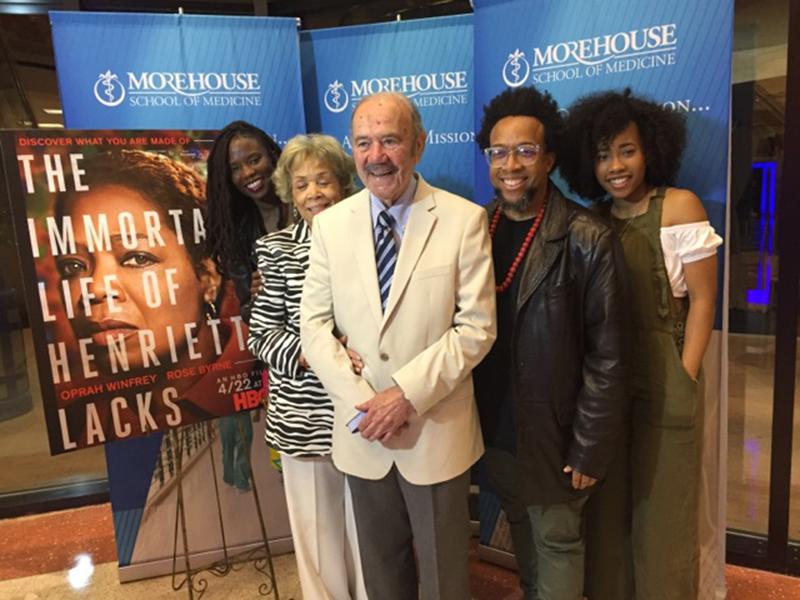
            Dr. Pattillo attended Xavier University in New Orleans and earned a medical degree from St. Louis University in 1959. Dr. Pattillo completed a fellowship in Gynecologic Oncology at John Hopkins University in 1967. He was the first African American faculty member at Marquette University’s School of Medicine. After a successful career at the Medical College of Wisconsin where he served as Vice Chair of the Department, in 1995 Dr. Pattillo relocated to Atlanta, GA as Interim Chair of the Department of Obstetrics and Gynecology at Morehouse School of Medicine (MSM).  He established and directed the Division of Gynecologic Oncology in the Department of Obstetrics and Gynecology during his tenure at MSM.

            With more than 100 peer reviewed journal publications, one book, and several book chapters, Dr. Pattillo is widely known for gynecology and oncology research. He received training as a fellow with George Gey, MD, at Johns Hopkins University School of Medicine and at Harvard Medical School. Dr. Gey is known for culturing the first immortalized cell line from a tissue sample during the treatment of Henrietta Lacks, a cervical cancer patient, which is chronicled in the best-selling book, “The Immortal Life of Henrietta Lacks.” Dr. Pattillo befriended the Lacks family and maintained a strong relationship over the years. In 2010, he and his wife, Patricia O’Flynn Pattillo, purchased a headstone for Henrietta Lacks’ unmarked grave in Clover, Virginia.

Rebecca Skloot, author of “The Immortal Life of Henrietta Lacks” identifies Dr. Roland Pattillo as her contact for the Lacks family.  After reading the book, Oprah Winfrey bought rights to the movie which aired on television. Dr. Pattillo appears in that film. At MSM, Dr. Pattillo established the annual HELA Conference that brought medical professionals from throughout the United States and abroad.

Dr. Pattillo was a doctor’s doctor because of his passion and compassion for performing surgeries throughout the world, without compensation. He is also known for traveling to families of friends to help them identify the best doctors, researchers, trials, etc. to help their loved ones.

His expertise, which was sought worldwide, earned him a reputation as a trusted physician and colleague, for which he has received numerous awards and accolades.  Dr. Pattillo also founded several gynecologic organizations, including Milwaukee’s Cream City Medical Society.

Dr. Pattillo is survived by his beloved wife of 27 years, Patricia O’Flynn Pattillo; sister, Carolyn Pattillo Davis; children–Catherine Pattillo (David Jefferson), Patrick Pattillo, Sheri Pattillo Johnson, Mary Pattillo, bonus children Todd ‘Speech’ Thomas; grandchildren—Daniel Pattillo (Rachel), Carlos Arriaga (Vicki), Camille and David Michael Jefferson, Vann III and Benjamin Johnson, Jahi and Zoe Renee Thomas; and a host of nieces, nephews, cousins and relatives.  He is preceded in death by his parents; brothers—James, Bertram, Ulric Pattillo; and sister, Geraldine Pattillo Bridges; son, the late Michael Pattillo; bonus son, the late Dr. Terence N. Thomas; and adopted son, the late Bright Boateng.

Funeral Mass will be held on Thursday, May 11, 2023 at 10:30 a.m., at the St. George Catholic Church, 771 Roscoe Rd., Newnan, GA 30263. A memorial, in Milwaukee, WI, will follow this summer. In lieu of flowers donations may be made to the following:

    1. Morehouse School of Medicine – Dr. Roland A. Pattillo HeLa Conference Fund, https://giving.msm.edu
    2. Xavier University of Louisiana – Dr. and Mrs. Roland Pattillo Endowed Scholarship www.giving.xula.edu/pages/memorial-gifts,
    3. Dr. Terence Thomas Memorial Scholarship, www.drtntscholarship.org/.

*Henrietta Lacks:

Since her death from cervical cancer, Lacks’ cells — the infamous “HeLa” line — which were taken without her knowledge or consent, have been cultivated by scientists and used for everything from polio vaccines to studies of cancer, HIV and Parkinson’s disease. Thanks to the book “The Immortal Life of Henrietta Lacks” by Rebecca Skloot, the world learned that the cells of a poor Black woman have helped changed modern medicine.

Patricia O’ Flynn Pattillo

Patricia O’Flynn Pattillo, the wife of Dr. Roland Pattillo, is the publisher and founder of The Milwaukee Community Journal newspaper, Milwaukee’s oldest and most widely circulated Black newspaper. She previously served as the National Newspaper Publishers Association (NNPA) President.

Filed Under: Health, Latest News Tagged With: author, Dr. Roland A. Pattillo, Dr. Terence Thomas Memorial Scholarship, Henrietta Lacks, John Hopkins University, Morehouse School of Medicine, New Orleans, oncologist, professor, researcher, Xavier University

Framing Our Future: Liberty Bank Celebrates 50 Years

December 22, 2022 By MKE Community Journal Leave a Comment

By Anitra D. Brown | The New Orleans Tribune

Alden J. McDonald and his son Todd have at least two things in common. The first is that neither saw himself as a bank president. In fact, Alden McDonald says it took a novena and Dr. Norman Francis asking him three times to become the president of what would be the newly founded Liberty Bank & Trust before he said “yes.”

“I didn’t’ know whether I was prepared to run a bank.” Alden McDonald once told The New Orleans Tribune. “No one else had walked that plank.”

The truth – he was ready. A graduate of the LSU School of Banking and of Columbia University’s Commercial Banking Management Program, McDonald began his career at International City Bank in New Orleans in 1966, rising to the position of vice president for consumer lending. And during those six years, he zealously learned all he could about the industry, working 12- to 14-hour days.

International City Bank didn’t want him to leave, offering him a senior vice president position to urge him to stay, he says. Instead, he followed advice given to him by the young lady he was dating at the time, Rhesa Ortique, whom he went on to marry. She was the one who suggested he go to a novena in search of guidance and direction.

“So, I did the novena, and I made the decision to do this, right. I am 29 at the time, and to be honest with you, I didn’t know what the hell I was thinking.”

In contrast, it didn’t take a special prayer service for Todd McDonald to know he wanted to be his own boss one day; still, he didn’t see banking in his future. The enterprising youngster, who washed his parents’ friends’ cars while they visited to make extra money, always saw himself as a businessman. However, he thought banking was static and that it would not offer the diverse opportunities he wanted to experience… that was until he had the opportunity to shadow one of his father’s friends, Joe Canizaro, the founder of First Bank & Trust. It was then he realized there was more to banking than, well, banking.

“He brought me into meetings, and I saw how he used the bank as a platform to go into many different businesses. I mean he was building a city in Mississippi; he had the hospitality company; he had a construction company; health care — all these different businesses. And I was like, so you could run a bank and have all of these tentacles out there at the same time. Okay, I would never get tired of doing this.”

At the time, a younger Todd McDonald didn’t really see his father doing all of that at Liberty; but he understood why.

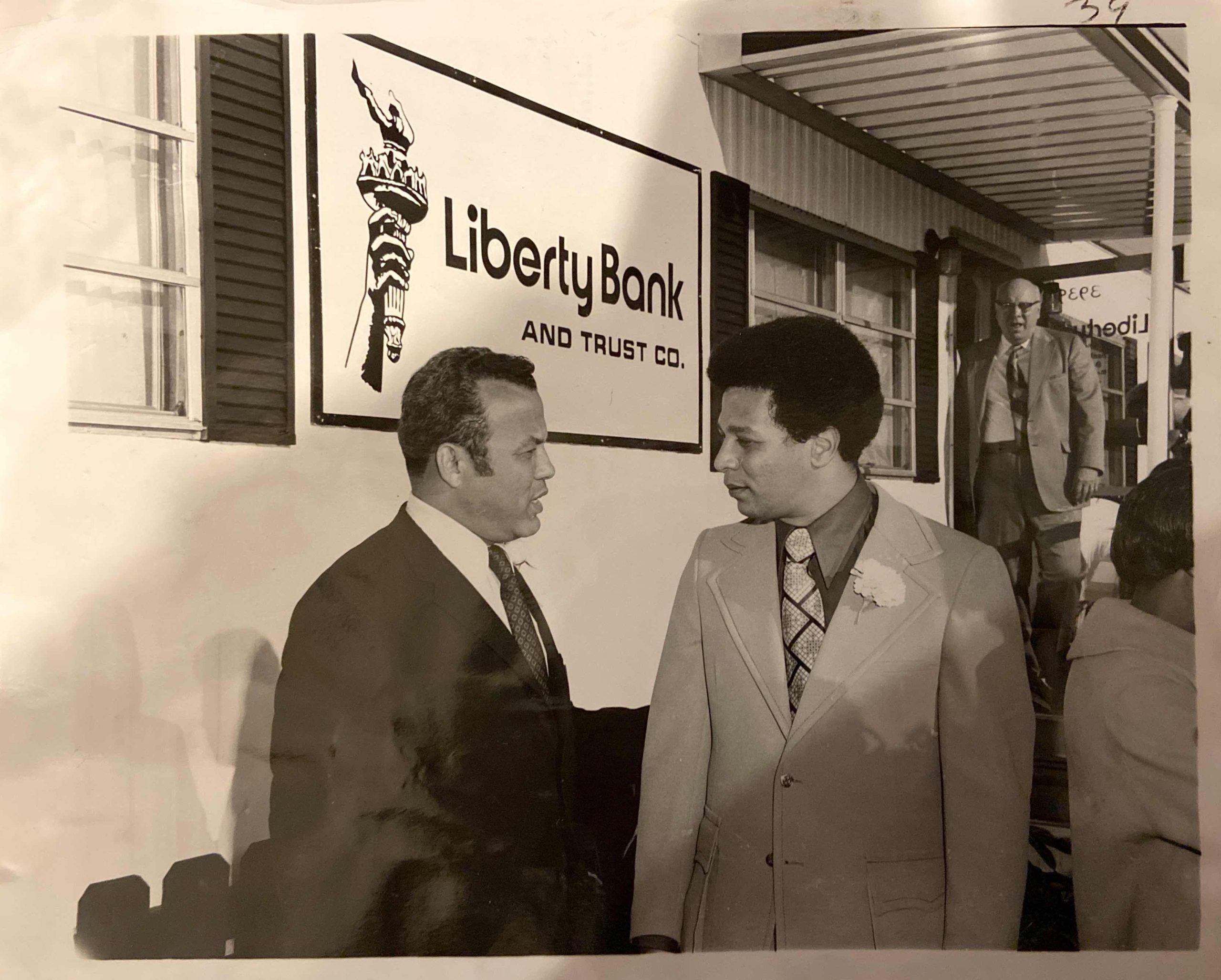
In 1972, with Dr. Norman Francis on its Board of Directors, Alden McDonald as President & CEO and $2 million in assets, Liberty Bank was founded to more Black New Orleanians and other under-served members of the community achieve their dreams. Today, Liberty has branches in 11 states and has $1 billion in assets.

In 1972, with Dr. Norman Francis on its Board of Directors, Alden McDonald as President & CEO and $2 million in assets, Liberty Bank was founded to more Black New Orleanians and other under-served members of the community achieve their dreams. Today, Liberty has branches in 11 states and has $1 billion in assets.

“It was for obvious reasons — a lack of capital,” he says. “I’m sure he could have ventured off in many different ways, as well. But that experience provided me with a vision for myself. How do we leverage a bank charter? You know, I’ve been around my dad for 41 years; but I’ve only been employed with the bank for 19. I heard the stories about him helping people. And so, I’m like, you know, once you start applying the ‘helping people’ with the ‘making money’ and ‘helping other people make money’, it was an easy sell. I’ve dedicated my life to this. I wake up thinking about it. I go to sleep thinking about it.”

And with that, the other thing father and son have in common is that despite each man’s initial misgivings, running a bank is precisely what he has done or is doing.

With his son’s rise to bank president, Alden McDonald, continues to serve as the head of the Liberty Financial Holding Company.

It’s Always Been Huge

The elder McDonald, served as president & CEO of Liberty Bank from its founding in 1972, leading and growing the Black-owned bank for the better part of 50 years until earlier this year, when his son Todd, a Morehouse College graduate who earned his MBA from Northwestern University’s Kellogg School of Management, picked up the mantle to lead Liberty into the future.

The pair took a little time to catch up with The New Orleans Tribune recently to talk about what is now the nation’s largest Black-owned bank. Sitting at a table in the community room of the bank’s headquarters in New Orleans East, the elder McDonald began by mentioning a significant milestone Liberty Bank reached in recent years – $1 billion dollars in assets.

“It was his idea, not mine,” he says with proud smile and a little laughter, nodding in Todd’s direction.

Todd chimes in through the laughter, “That’s what we have to do as a bank to survive. If we don’t get bigger, the cost of operating just gets bigger and you can’t manage the expense side. So, it was very important for us to reach that milestone.”

“It’s a lot of money,” Alden McDonald says. “How many other people do we know that have a billion-dollar company? How many in the city of New Orleans. Just, when you think about it… the significance of it. It’s… it’s…

“Huge,” Todd interjects, finishing the sentence his father started.

“Huge,” Alden McDonald repeats reflectively. “You know, Todd and I, we talked five years ago when he took a real an active role at the bank. He was in charge of strategic planning and visioning. And his vision went beyond my wildest dreams. When he was pushing for a billion dollars, he was looking to make sure we could survive in the banking industry. When I got in the banking industry, there were 35,000 banks. Today, there are less than 5,000 banks. When I got into the business, there were 100 Black banks. Today, there are less than 20. Everything in the industry says a $200 million bank is not going to survive. A $500 million bank is not going to survive. So the benchmark he came up with was a billion.”

The achievement took more than just reaching $1 billion in assets. As Alden McDonald explains, in the banking industry, the rule of thumb is an eight percent capital to asset ratio. In banking terms, capital is the total equity a company has — assets minus liability.

“And then, a couple of years ago, the feds started sending signals. They wanted a 10 percent ratio,” the senior McDonald says.

When Liberty set out to grow to a billion in assets it only had about $60 million in equity. It needed at least $90 million.

It was Todd, who, while serving as Liberty’s executive vice president of corporate strategy, developed national partnerships that produced several new revenue streams that raised $30 million in capital for the bank.

All of this was taking place over the last few years with the pandemic as a backdrop and in the wake of the murder of George Floyd, events that prompted shifts in the nation, one of which included a bit of pressure put on the big boys of banking to help minority banks grow.

And Liberty’s plan for raising the equity it needed to support its growth was realized.

“If it was me, I would asked JP Morgan for $5 million, Citibank for $5 million, Wells Fargo for $5 million and Bank of America for $5 million. Todd goes in, he asks JP Morgan for $30 million. I said, ‘boy, you’re crazy?’ They ended up giving $18 million. Wells gave $5 million. Citi gave $5 million. Bank of America gave $2 million,” the elder McDonald recounts. “I would have been pleased with whatever; but because of the young mind and the young vision, he ended up getting $30 million of non-voting capital. Non-voting. It does not dilute one bit of ownership,”

Perhaps the only thing huger than Liberty Bank reaching that milestone – more than $1 billion in assets the equity to back it up – is the force the bank has been for its customers in New Orleans and across the country.

Even when its assets weren’t, Liberty’s impact has been huge from the start.

Forging a Path to Financial Freedom

The first Liberty Bank branch was a repurposed construction trailer located on Tulane Avenue.

The first Liberty Bank branch was a repurposed construction trailer located on Tulane Avenue.

If Alden McDonald wasn’t ready to lead a Black-owned bank in 1972, Black New Orleans was ready for one.

Beginning in the early 1960s, Alden McDonald and Dr. Norman Francis saw a Black community growing increasingly dissatisfied with inequity and looking for increased opportunity, especially on the economic front. They wanted mortgage loans and loans to start businesses or launch political campaigns without higher interest rates or resorting to subprime finance companies. And if they couldn’t find what they wanted in the mainstream banking industry, they would have to create their own.

That is why Francis asked a young Alden McDonald to leave his comfortable job and start his own bank not once, not twice, but three times — there was a need for a bank that would help more Black New Orleanians and other under-served members of the community achieve their dreams.

Liberty Bank was one of 42 African American-owned banks to open in the U.S. between 1962 and 1979, according to the National Bankers Association. They opened to serve communities that had been all but shut out of the mainstream. When the other banks refused to loan African Americans money or loaned it to them at extraordinarily high interest rates, Black-owned banks were there; and their influence was tangible from the very early history.

There is no telling how many Black New Orleanians own homes and operate businesses because Liberty Bank exists.

Norman Francis once said, “We had a dream to do something special in New Orleans. We started a community bank with a focus on an under-served population.”

From a construction trailer on Tulane Avenue, Liberty now has branches in 11 states and the cyber ability to conduct banking operations nationwide. Liberty Bank has withstood natural disasters and weathered national and regional financial crises. It has not only existed for 50 years, it has thrived. From $2 million in assets in 1972 to the largest African American-owned financial institution in the United States.

More importantly, here in New Orleans, and in other cities across the country, Liberty has helped individuals achieve their financial goals and financial freedom. That is what is meant by “Framing Our Future”, the theme of the bank’s 50-year anniversary.

Big Things Popping

The bank is also a player in helping business owners and investors make major moves. On the day The Tribune met with the McDonalds, they were gearing up for a meeting with a customer about a major project in downtown Minneapolis — the redevelopment of a one-million-square-foot building, Alden McDonald tells.

Financing those types of multi-million-dollar endeavors have become common practice for Liberty Bank.

Just before the pandemic, Alden McDonald says the bank launched a new loan product designed specifically to help African American business owners get into the airport concessions business.

“We were lending money to African Americans with airport contracts,” he says. “Now, we got in it at the wrong time, but we still made out pretty good. We loaned about $30 million to business owners with concessions in airports in New York, New Jersey, Dallas, Los Angeles, and Chicago. We had them all over. It’s helped those businesses grow their capital. When you grow capital, you can hire more people, more Black people. So, the whole pie grows. Despite the pandemic, we only had a problem with one loan and we didn’t lose any money.”

Then there is the project in Houston. 

“The mayor in Houston has put together a housing effort there to build maybe 500 homes using all Black folks — the contractors, the developers. And we are financing them. We think that’s going to be a real big signature project with anywhere between $30 million and $50 million in financing from us. And we do a little bit more than just lend the money. For example, this one developer didn’t have much experience, so we put them in touch with another developer we were financing in Houston to partner with him. Then the city gave him a contract that wasn’t to his advantage. So, when we read it, in putting his package together, we said, ‘this ain’t gonna work’. So we helped him to go back to the city, had the city to rework his contract where it made sense and protected him from losing money.”

There are other examples. Too many to include in a single article.

In addition to banking, Liberty has its own insurance agency and a heavy equipment leasing company. It also recently launched its own commercial insurance brokerage firm.

“We intend to be the largest Black-owned commercial insurance brokerage in the country in the next five years,” Alden McDonald says. “What does that mean? It means we are starting another company that will employ additional people. We are going to be able to help other companies in that business to write bigger policies. There is a network of smaller Black-owned commercial insurance brokers across the country, and we are going to help those businesses create more jobs and grow Black wealth. And we’re going to make some money. I always say that you can’t do good, if you don’t do well.”

And if Liberty Bank has its way, it will be doing both well and good into the future.

“We don’t plan on taking another 50 years to reach another $1 billion in assets. He plans on getting there in the next five years,” Alden says, again nodding at Todd.

“My perspective is we have a long runway,” says Todd. “I mean, we have decades ahead of us. You know, it is a lot of work and we’re just taking it step by step. We know organizationally, we can’t be everything to everybody. So, we’ve got to choose our lane and commit to it. We have an amazing underwriting muscle. As my dad mentioned earlier, typically Black-owned institutions didn’t have access to capital. So, the focus is what did we do the first 50 years and how do we leverage that to do it bigger the next 50 years.”

And while Liberty certainly has big things popping, it continues to provide access to basic financial services such as personal checking and savings accounts and multi-faceted products for both individuals and small businesses.

Even as it celebrates 50 years and touts more than a $1 billion in assets, helping everyday people achieve financial freedom is still a primary focus of the bank, says Todd McDonald.

In fact, the smallest loan Liberty offers is $500, it’s the sort of small dollar loan at a low interest rate that Liberty provides to customers to keep them from falling prey to predatory lenders like those in the payday loan industry.

“That’s the least amount of money you can borrow. But to me, that’s the most important product that we have,” says Todd. “I don’t say that a lot, but I prefer to help the average person get out of debt. If I can help someone consolidate from $1,000 a month in payments down to $300 a month in payments, saving them $700 dollars a month, it’s better than making a $1 million loan to me. Now if we repeat that and get a 1,000 people at a time refinancing debt, that’s $700,000 a month back into the pockets of people that look like you and me. Then, we could have the same thousand people start to buy their own homes. Now, if we coordinate efforts like that across the country, we could really pick up some ground. it’s off to the races from that standpoint. So, we’re not just looking at big transactions.”

Celebrating 50 Years with a Golden Jubilee

Liberty Bank’s story of resilience, profitability and empowerment was showcased on Friday, Dec. 2, at Liberty’s “Golden Jubilee” celebration at the Mahalia Jackson Theater. The event was produced by Bright Moments, LLC and was directed by celebrated theater icon Tommye Myrick.

Norman Robinson and Sally Ann Roberts narrated the event that explored the unique role Liberty Bank has played in closing the wealth gap in America. The evening featured song, dance, spoken word and visual renderings that tell the story the African American experience.

The show was led by the musical arrangements of the New Orleans Jazz Orchestra under the direction of Grammy award winner Adonis Rose and featured Irma Thomas, Leah Chase, Jr., Chase Kamata, Sharon Martin, Phillip Manuel, John Boutte, Tonya Boyd-Cannon, the Mystics, the Franklin Avenue Male Chorus, the C Sharpe Gospel Ensemble, the Kia Knight Dance Ensemble, Stilt Walkers, African Drummers, Harold Evans, Gwendolyn Foxworth, Lady Tambourine, Erica Falls, Peteh the Poet, and a host of others.

The post Framing Our Future: Liberty Bank Celebrates 50 Years appeared first on The New Orleans Tribune.

Filed Under: Black History, Economy Tagged With: Liberty Bank, New Orleans

Jazz Legend Louis Armstrong’s ‘Second Home’ Among Property Destroyed by Hurricane Ida

September 3, 2021 By MKE Community Journal Leave a Comment

As of Tuesday afternoon, more than 1 million were still without power, and the death toll had climbed, with one elderly man believed killed by an alligator hiding in floodwaters. The National Weather Service warned that the storm surge can cause major damage to houses and pose a “significant threat for drownings.”

By Stacy M. Brown, NNPA Newswire Senior National Correspondent
@StacyBrownMedia

Hurricane Ida continues to leave destruction and devastation in its wake as residents from New Orleans and Mississippi realize just how much they’ve lost.

The devastation also claimed the Karnofsky Tailor Shop and Residence, “second-home” of famed jazz legend Louis Armstrong.

A viral social media video captured Ida destroying the shop at 427 South Rampart Street in New Orleans.

Armstrong grew up near the shop, and by the age of 12, was known to frequent the place owned by the Karnofsky family, who offered him a job.

According to cultural heritage radio station WWOZ, Karnofsky Tailor Shop and Residence sat along a stretch of road populated primarily by immigrant-owned businesses that catered to a Black clientele.

The National Park Service website noted that “The Karnofsky Store was, beginning in 1913, the shop, with residence above, of the Jewish family that provided a second home to the young Louis Armstrong.”

The site administrator’s continued:

“He worked for the Karnofskies on their coal and junk wagons, tooting ‘a small tin horn,’ and ate meals with the family, either in their earlier home on Girod Street or here, or maybe both.”

NPS historians said the Karnofskys loaned Armstrong money for his first cornet.

They continued:

“Morris Karnofsky, the son of the family and Armstrong’s boyhood friend, opened the first jazz record store in town, Morris Music. Located at various addresses on South Rampart Street through the years, it was a meeting place for musicians. Armstrong visited his friend and his musician buddies at the store on his many return trips to the city.”

Hurricane Ida’s torrential rainfall has totaled more than a foot in some areas and caused the collapse of a highway in Mississippi, leading to fatalities, Accuweather reported.

As of Tuesday afternoon, more than 1 million were still without power, and the death toll had climbed, with one elderly man believed killed by an alligator hiding in floodwaters.

“AccuWeather forecasters urge people to avoid camping along small streams and to avoid attempting to drive through flooded roadways,” AccuWeather Senior Meteorologist Alex Sosnowski said. “It could be a life-saving move to find alternative routes and avoid areas prone to flooding at times of heavy rain, such as underpasses and low-lying roads along small streams. There is also the potential for road washouts, mudslides, and rockslides.

Filed Under: National News Tagged With: Hurricane Ida, Karnofsky Tailor Shop, Louis Armstrong, Mississippi, New Orleans

Jazz Fest Announces Music Line-up

July 1, 2021 By MKE Community Journal Leave a Comment

(Photo by: Victor Freitas | Pexels.com

By The New Orleans Tribune

The New Orleans Jazz & Heritage Festival recently announced more than 50 of the artists set to appear at the highly anticipated 2021 Festival, scheduled for October 8 – 17.   The full music lineup will be released next month.  Jazz Fest annually celebrates the unique culture and heritage of New Orleans and Louisiana, alongside unforgettable performances by nationally and internationally renowned guest artists to create one of the world’s most diverse musical festival lineups.  Festival weekend dates are set for October 8 – 10 and 15 – 17.

Confirmed performers include: Dead & Company, Stevie Nicks, Foo Fighters, Jimmy Buffett & The Coral Reefer Band, Lizzo, Demi Lovato, The Black Crowes, H.E.R., Brandi Carlile, Norah Jones, Tedeschi Trucks Band, The Beach Boys, Ludacris, Trombone Shorty & Orleans Avenue, Jon Batiste, Wu-Tang Clan feat. The Soul Rebels, Ziggy Marley: Songs of Bob Marley, Elvis Costello & The Imposters, The Revivalists, Brittany Howard,  Randy Newman, Irma Thomas, Melissa Etheridge, The Isley Brothers, Nile Rodgers & CHIC, Boz Scaggs, Rickie Lee Jones, Ledisi, Tower of Power, David Sanborn, Tank and The Bangas, Big Freedia, Chris Isaak, Keb’ Mo’ Band, Preservation  Hall  Jazz Band,  PJ Morton, Samantha Fish, Tribute to Dr. John, The Count Basie Orchestra, Galactic, Playing for Change Band,  Terence Blanchard feat The E-Collective, Rebirth Brass Band, Shovels & Rope, Cyril Neville, Hurray for the Riff Raff, Asleep at the Wheel, Arturo Sandoval, Davell Crawford, El Gran Combo, Kermit Ruffins & the Barbeque Swingers, Martha Redbone Roots Project, Ricky Skaggs, Doug Kershaw, Boyfriend, Charlie Musselwhite, Ivan Neville’s Dumpstaphunk, The Radiators, Anders Osborne, Christone “Kingfish” Ingram, Terri Lyne Carrington + Social Science, The Dirty Dozen Brass Band, The Soul Rebels, Lil’ Ed & the Blues Imperials, Tab Benoit, Leo Nocentelli, Walter Wolfman Washington & the Roadmasters, Puss N Boots, Deacon John, The Campbell Brothers, George Porter Jr. & Runnin’ Pardners, Little Freddie King, Nicholas Payton, Kathy Taylor and Favor, David Shaw, Tribute to Bessie Smith, The Roots of Music Marching Crusaders, Big Chief Monk Boudreaux & the Golden Eagles Mardi Gras Indians, Lost Bayou Ramblers, Jermaine Landrum & Abundant Praise Revival Choir, New Orleans Nightcrawlers, Ronnie Lamarque, We are One and Divine Ladies Social Aid & Pleasure Clubs, plus hundreds more artists scheduled to appear at the first-ever Jazz Fest in October.

VIP packages, general admission 3-day weekend passes and travel packages are on sale now through www.nojazzfest.com. Single-day tickets will go on sale in July.

The post Jazz Fest Announces Music Line-up appeared first on The New Orleans Tribune.

Filed Under: Arts & Entertainment Tagged With: Jazz festival, New Orleans

Back to Normal…A New Beginning for New Orleans?

June 10, 2021 By MKE Community Journal Leave a Comment

It’s been over a year where all of people’s lives around the world have changed because of the COVID-19 Pandemic. Mask wearing, social distancing, sickness and unfortunately death has become the new normal

By Edwin Buggage, Editor-in-Chief

Life In the New Normal

It’s been over a year where all of people’s lives around the world have changed because of the COVID-19 Pandemic. Mask wearing, social distancing, sickness and unfortunately death has become the new normal.

Now it sees the tide is shifting because more people are getting vaccinated and CDC recommendations have been revised and more people are beginning to live life as if it were Pre-COVID. Going maskless and gathering in large groups outside of their pods, not knowing whether or not the person standing next to them are vaccinated.

Cautiously Back to Normal

In the City of New Orleans over the Memorial Day weekend, people were out and about both locals and tourist, as the City’s hotels was at 90% occupancy, they were enjoying life in a way that they hadn’t in some time.

Generations of families were able to gather for events. Any who have been suffering from the depression that isolation brings were out being social and trying to find a new normal. Some are still taking a hybrid approach to mask wearing, knowing that the honor’s system is something that cannot be completely trusted. In addition, many of the top authorities on the Pandemic, continues to stress we are not at herd immunity and the new guidelines apply to vaccinated individuals.

From Worse to First…. The Race to Herd Immunity

But in a society where there’s not been safeguards put in place where one would have to prove they are vaccinated; it can be reasonably argued that be default we have in some regard reached herd immunity. For those who actually wanted to get the vaccine many already have, and for those who are skeptical many of the incentives some are offering is not enough to get them to consider being vaccinated.

This for a place like New Orleans is a destination City could potentially be a recipe for worse days to come in the coming months with new strains of the virus that could possibly make its way into the City. Hopefully, this will not occur, but we must remember when the Pandemic first began, New Orleans recorded some of the highest numbers.

And it must be noted, that in spite of pressure from some in the business sector, Mayor LaToya Cantrell and her team followed the science and the number of cases dropped and today the City leads the state in the percentage of the population that are vaccinated. And in early March of this year, led the country in the percentage of people being vaccinated.

While restrictions have been loosened, it is important to note that the goal for the City is to get to 75-80% of citizens getting vaccinated. This is not the time to begin to celebrate that the Pandemic is over, and that people decide to live life as they did prior to the Pandemic.

Safety First…. People Wearing Masks and Other COVID-19 Protocols May Be with Us to Stay

In fact, because of the Pandemic, citizens should consider forming new habits based on some of the safety protocols that were put in place. Hand washing, using hand sanitizer, not putting hands in face near eyes and mouth, social distancing, etc. Even in workplaces, many of the things such as shields for some customer service workers should possibly continue.

These practices can in some ways help mitigate the potential of spreading the virus or other germs/illnesses to others. Before COVID-19, several would look at many international tourists, especially those from parts of Asia, wearing face coverings in public.

But much of this was normalized as a regular part of the street scene in parts of Asia after the deadly severe outbreak of Acute Respiratory Syndrome (SARS) that started in China in 2002 before spreading to Singapore and Taiwan over the following year. Today manufacturers in East Asia are pumping out 10 to 20 million units per month. Who would have thought that in the U.S. that many will not be taking off their mask for a while and others are considering when in certain instances to always mask up.

New Orleans Turning the Corner but Not Fully There Yet

The future is one that is uncertain, but it sees we are heading back to some sense of normalcy. Seeing the full face and the smile of grandma and to give her a big hug, or to “dap up” your friends or someone you have not seen in a long time. To “buckjump” at a second line, either tailgate or go to the game to cheer on the Saints, or to go to a full church to worship.

These are the things we live and breathe in the City of New Orleans. A place where people “work to live” and have a recipe for a full life that put enjoying life and people first. We are not fully back yet from the throes of COVID-19, but as more people get vaccinated and hopefully even more, so that the City can reach herd immunity, we can be truly unmasked, beginning a new chapter in one of the World’s Most Amazing Cities.

The post Back to Normal…A New Beginning for New Orleans ? appeared first on New Orleans Data News Weekly.

Filed Under: Latest News, National News Tagged With: CDC, COVID-19 pandemic, New Normal, New Orleans

The Soul Rebels: Brass, hip-hop and the second line of musical success…

October 7, 2019 By MKE Community Journal Leave a Comment

By Jeneanne Collins

The Soul Rebels are a brass ensemble and one of the coolest combinations of history, narratives, jazz, including  the evolution of hip -hop and all genres of music. They have mastered the art of collaboration, diversity in music, and universal appeal.

The group  formed in New Orleans, home of Louis Armstrong, The Marsalis Family, The Neville Brothers, Master P, Mia X, Little Wayne/Cash Money and Big Freedia to name a few.


The Soul Rebels combine and honor brass instrumentation from a place of deep curatorial practice and authenticity. They are gumbo, jambalaya and craw fish etouffee. They are bounce music and swamp land. They are the French quarter, Lemonade, and the Essence festival every single year. They are the unsung orators of the brass movement.


The Soul Rebels have formulated and perfected a sound that influences culture beyond jazz, funk, rock and pop.  Over the last 25 years, they have created their own voice through their unique showmanship and sound. The Soul Rebels have performed with Katy Perry, Robert Glasper, GZA from Wu-Tang, Smiff &Wesson, Green Day, Kanye West, Macklemore, Talib Kweli, John Mayer and Nas. They have an endless roster of creative work and performances with some of the best and celebrated artists in the industry.  Through the underground, through the unseen, and their own rebellion, The Soul Rebels continue to touch and transform people. They transcend the soul of music beyond barriers.


Check out my question and answer session below with Lumar Leblanc (snare drum, founder)

How long have the “soul rebels” been together?

The Soul Rebels have been around since 1991, but the current band line up today is about six years old. Today’s Soul Rebel band member line up has been a huge part of our current success as a world touring group, backing up and collaborating with major hip hop and pop stars. 


Do people compare you to the Roots?

All the time. Even people in the music business compare us to The Roots. We actually have an amazing relationship with The Roots crew and have worked with Black Thought. Lyor Cohen once told us, we should be on late night tv as the house band for the next big late night tv show. We’ll see about that….


What person or what group would be a dream collaboration?

Jay-Z, Kendrick, Beyonce, Lady Gaga and Chance. We love them so much. 


How has hip-hop influenced your music?? And who are some of your favorites to work with in the industry?

Hip Hop is a life style, it’s our roots. We grew up listening to Biggie, Rakim, Talib Kweli, A Tribe Called Quest along with all of the funk, pop music, rock and many styles of music. Hip Hop actually is heavily rooted in the funk and jazz spirit. As a brass ensemble with live drums, we bring the hip-hop music we play to life. Live instruments are the core of hip hop with samples, and we often work with artists that come from an era of sampling jazz, funk, soul and live horns and drums. We love working with our hip-hop heroes. Artists such as Rakim, Slick Rick, Melle Mel, some of the Tribe Called Quest members and many others, are our good friends and musical collaborators. We’ve been working with Rakim for years, and he’s very much connected to the jazz and soul music legacy. We’ve been lucky enough to on a regular basis, work with the pioneers and statesman of hip-hop culture. 


What is one of your main contributions to music?

Spreading love, a good vibe and putting in 1000% every time we hit the stage. Also, showing people that music is about freedom and freeing ourselves from the constraints of society. The Soul Rebels work with Nas, but also Marilyn Manson…and we’re a brass band. That goes to show you that if you have a free and open mind, spirit and attitude, music has no genre and we can all be one. We bring soul and feeling to all our musical environments, and whether a band/artist we’re working with is Metallica whom we do work with and perform with, or the pop star G-Eazy whom we also perform with, at the end of the day, soul and honestly in music is what connects us all. We’re able to operate in many different musical environments because we bring soul to all setting. 


Who influences/influenced you and why?

Family, spirituality. In terms of artists: Michael Jackson, Stevie Wonder, Biggie, Rakim, The Doors, Bob Marley, Miles Davis, Louis Armstrong, Earth Wind Fire. So many influences, it’s hard to list them all. Our fans and our families are the biggest sources of inspiration and influence. 


Where did your name come from? And can you be compared to the historic album of the same name by Bob Marley and the Wailers.

The Soul Rebel started out as a traditional outfit called Young Olympia which it was, the younger version of the Olympia Brass Band. We started out doing the more traditional music of New Orleans basically paying our dues and learning as much as we can from the older musicians a head of us. Being that most of the guys in the band are from The Hip Hop era, we wanted to start incorporating more of the music we were listening to at the time. We started mixing the sounds of the music that the different musicians in the band like. As we started doing that, we realize that we were getting farther and farther away from the more traditional New Orleans sound so not to disrespect it, we decided that we would start our own band. We started out doing shows at the famous Tipitina’s opening for the famous Neville Brothers. Cyril Neville loved us, and said to us one night, “You guys have a very unique sound man you guys have like a Soulful sound but it’s like you’re rebelling against a lot of stuff that a lot of brass bands are doing. You guys are like soul rebels”. We have been going down that path ever since!


What’s next for the group?? Any individual projects or upcoming music/collaborations. 

We have many collaborations in the works and we’re touring , but we’re mainly focused on working on a new album right now. It’s definitely going to be an urban, contemporary-driven album. It’s going be a very strong dynamic piece. The people we have on board are amazing and iconic…the world is really going to be excited when the album comes to fruition. Expect major mc features. We can’t reveal specifically who might be on the album and who is producing it. But expect new material and an energy never before heard from a brass ensemble. 


This article was done a long while before the group’s album was crafted, done and scheduled for release .  As of August 2019, The Soul Rebels will be releasing a new album, entitled “Poetry in Motion” on October 25,2019. 

Here is the link to the first single “Good Time” featuring Big Freedia, Denisia and Passport P…..  https://youtu.be/NfaxJyD4JRc .

Filed Under: MKE Monday Juice Tagged With: brass ensemble, New Orleans, The Soul Rebels

Primary Sidebar

MCJ WEEKLY

PREVIOUS EDITIONS

Go HERE for the Digital Archives

DR. TNT SCHOLARSHIP SPECIAL EDITION

CLICK THE IMAGE THE FULL EDITION

Newsletter Signup

The Milwaukee Community Journal (MCJ) and the Weekend Edition are distributed at a number of community churches; as is the current issue of Healthy Start. With many area churches closed for the next few weeks due to the coronavirus, your MCJ suggests you pick up your edition of the newspaper, Weekend Edition and Healthy Start at our offices, located at 3612 N. Martin Luther King Drive. We’re open from 10 a.m. to 4:30 p.m., Monday through Friday. You can still pick up the MCJ at several Walgreens and Pick n’ Save stores throughout the community, as well as city hall and the county courthouse.

Recent Posts

  • American Men Have Been In Crisis for Generations. A Remedy from 1879 Offers Hope
  • Online registration now open for 2026 Back to School Festival
  • Oakland Protesters Rally to Defend Haitian Immigrants and TPS
  • OPINION: 57,000 Empty Apartments and Not a Word of Apology – City Limits
  • ‘Choppin’ it up’ with a brotha about Crowley’s win, and why Black folks aren’t down with the Democratic Socialists!

CLASSIFIEDS

CLASSIFIEDS

Place your notice of divorce, name change, etc. in the Milwaukee Community Journal's Classifieds! Contact is at 414-265-5300

Follow Us

  • Facebook
  • Instagram
  • Twitter
  • YouTube

Tags

2016 election African Americans Alderman Khalif J. Rainey ALDERWOMAN CHANTIA LEWIS Alderwoman Milele A. Coggs annual Baylor College of Medicine Biden Black History Month Black press Boko Haram civil rights community coronavirus COVID-19 Dating Advice day Democrats diversity Donald Trump Education event Featured free George Floyd HuffPost Live Joe Biden Love & Sex Love and Relationships Mayor Tom Barrett mental health Milwaukee Repertory Theater naacp national NNPA pandemic racism report Republicans Reuters social media Trump Trump Administration What Is Working: Small Businesses White House

Categories

H5_WEDC1027_AA_300x250

Copyright © 2026 Milwaukee Community Journal